Price of voting against Sri Lanka by India
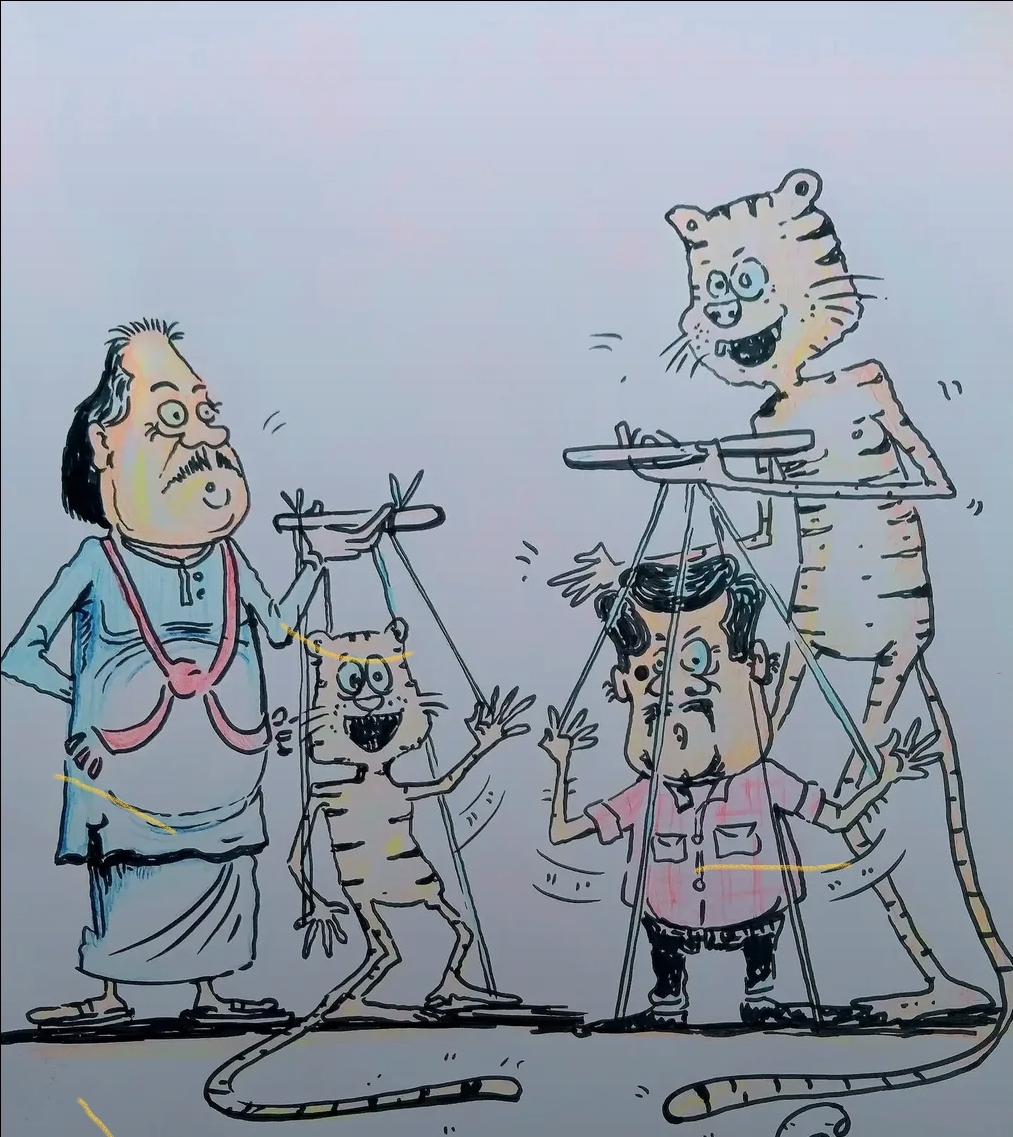
Whatever the outcome of the Friday, March 22, 2013, vote on the UNHRC resolution against Sri Lanka, the Congress-dominated UPA and the DMK, along with some of the latter’s allies in Tamil Nadu have jointly opened the door for a future Western military intervention in Asia under the dubious doctrine of R2P (right to protect), which most recently devastated Libya, failed to establish a post-war puppet regime, and virtually abandoned the country for armed warlords.
Hitherto, New Delhi has always upheld non-interference in the internal affairs of nations. But under the leadership of chairperson Sonia Gandhi, the UPA has been overturning traditional Indian foreign policy, aligning with Western/NATO positions, and ditching traditional allies. Thus, New Delhi voted against Tehran at the International Atomic Energy Agency in 2009, and against Colombo at the UNHRC in 2012, a performance it is set to repeat in 2013.
This is despite the fact that the establishment understands the dangers of a future West-sponsored resolution on Kashmir – an independent Kashmir is an unrealised British goal – which could translate into action in the event of Pakistan’s further breakdown. Still, that is in the future.
Western/NATO military intervention for a separate Tamil elam, however, could be closer than anticipated, and the UNHRC resolution must be seen as a step in this direction. That is why the Church, which has converted the entire fishermen community along the coast and has a formidable hold on all DMK allies and leaders, has provoked such unrestrained rhetoric by the parties. The Church hand is clearly visible in the participation of Loyola College students in the demonstrations in Chennai, and the public posturing of SP Udayakumar, the public face of the anti-Kudankulam stir.
It bears recollecting that prior to independence, a separate Tamil nation on both sides of the Palk Strait was a colonial agenda. The West is now hastening to revive and implement these old unfinished agendas to achieve full spectrum dominance all over the world. Sadly, under the UPA, New Delhi is proving to be a willing tool in this game, disregarding its traditional anti-imperial and non-aligned status.
After some deft diplomacy by Colombo saw a watering down of Washington’s resolution, and the DMK walked out of the UPA coalition, Finance Minister P Chidambaram promised that India would move amendments to the US resolution. He said the UNHRC must adopt a strong resolution to push Sri Lanka to accept an independent and credible investigation into the situation of the Tamil people.
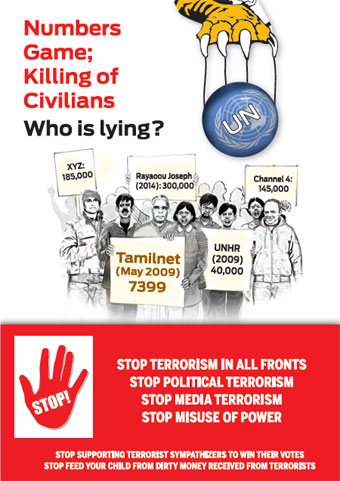
Any diplomat could tell the Minister that this is paving the way for R2P when the West wants to invoke it, and that India could be at the receiving end of such intervention in both Kashmir and Tamil Nadu. Sri Lanka’s External Affairs Minister GL Peiris has rightly declared that his country will reject the final draft of the US-sponsored resolution at the UNHRC, which he said seeks to discredit and single out his country over alleged human rights violations. India would do well to heed his warning that such intrusive, biased and politicised actions ‘pose a danger for all nations’. Sri Lanka also questions the UN claims of 40,000 civilian deaths in the war; sources put the figure at closer to 7000.
One of the largely ignored impediments to a faster resolution of the problem is the fact that most Tamil leaders of stature in Sri Lanka were murdered by the LTTE (53 elected Lankan Tamil leaders were eliminated from 1977). The Tamil National Alliance leader R Sampanthan is moving cautiously, but may become more assertive after the winning the elections. This would be a step in the right direction.
New Delhi must never lose sight of the fact that the Sri Lankan Tamil diaspora, which played a major role in keeping the LTTE supplied with funds and arms and ammunition, has once again become active, doubtless with the covert backing of Western capitals. This means that a Tamil Eelam is again on the front-burner, and that the human rights industry has been deployed against the Rajapaksa Government.
As a corollary, Tamil youth in India are being instigated to support the Tamil elam on both sides of the Palk Straits, and photographs of V Prabhakaran are being displayed at public rallies.
New Delhi must realise the importance of preserving the centuries-old ties between India and Sri Lanka, most notably via the States of Odisha and Tamil Nadu. If the UPA is unable to resist the pressure to become a pawn in the geo-strategic power game currently being played out in the Indian Ocean area, India will be the loser.
Sandhya Jain
(An 2013 Artilce)
775 Viewers