A Middle Path for Sri Lanka: Learning from Sweden and Our Buddhist Roots
Ujith Galhena- Sydney
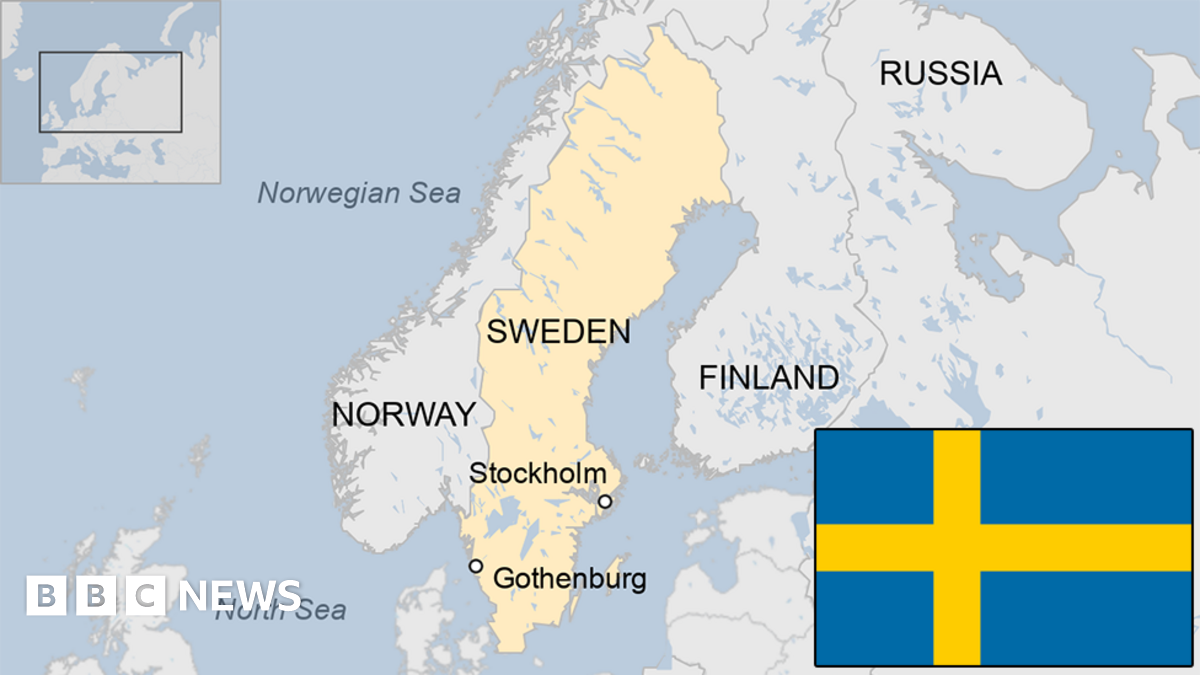
In a world driven by geopolitical competition and global power struggles, Sri Lanka stands at a crossroads. The question is not just how to survive international pressures, but how to thrive while preserving our national integrity, spiritual values, and cultural identity. To find our way forward, we must reflect on our history, embrace our Buddhist roots, and learn from global examples like Sweden—a country that maintained neutrality in world conflicts while prioritizing the well-being of its people.
The Swedish Model: Peace Through Neutrality
Sweden’s approach to global politics during the 20th century, particularly its decision to remain neutral during both World Wars, presents a valuable lesson. Unlike many European countries devastated by war, Sweden protected its citizens by avoiding military entanglements and building strong diplomatic relations without taking sides. This non-alignment enabled it to focus on internal development and social well-being.
Sri Lanka can adopt a similar stance—non-aligned, independent, yet cooperative—anchored not in fear but in wisdom. Our historical position as a non-aligned nation gives us both precedent and strength. However, we must refine this strategy with clarity and unity, ensuring we are not pawns in global chess games that exploit our land and people.
The Buddhist Middle Path: A Guiding Philosophy
Buddhism offers a time-tested framework—the Middle Path. This philosophy emphasizes balance, mindfulness, and ethical living, and it is precisely this perspective we must extend to politics, economics, and national identity.
Countries with strong Buddhist traditions—like Thailand, Bhutan, and even parts of Japan—have shown that spiritual grounding can coexist with modernity. Sri Lanka has the potential to create a coalition or support network among Buddhist nations to share values, resources, and strategies for sustainable development without succumbing to the traps of power politics.
The Role of Spiritual Education: A Personal Reflection
From my own experience at Ananda College, I saw how spiritual grounding shaped the spirit of service in youth. Each school day began with patriotic songs and the offering of pansil. These daily rituals were not just symbolic—they fostered a sense of purpose, resilience, and patriotism. Many of my peers, despite having opportunities to pursue prosperous careers, chose to join the forces and defend the country during the conflict with the LTTE.
Their sacrifices were rooted in values, not politics. That generation proved that patriotism, when built on spiritual strength, can inspire selfless action.
Avoiding Geopolitical Pitfalls: A Wake-Up Call
Today, we face a different kind of war—one of economic colonization. Some politicians, past and present, are trying to balance world powers by leasing out land and key industries. This may seem pragmatic, but it risks turning our homeland into a battlefield for foreign interests. A partnership with one power at the cost of sovereignty is not balance—it is surrender.
We must rediscover our strength—not through imitation of other countries like Singapore or overindustrialization, which could destroy our environment and health—but by identifying and nurturing what is uniquely ours.
Self-Reliance and the Danger of Dependency
Dependence on the IMF and other international financial institutions brings short-term relief but long-term debt. These institutions often impose conditions that are detached from our cultural, spiritual, and economic realities. If we constantly follow external rules, we may never truly escape poverty.
Instead, let’s build from within. We have fertile land, a rich culture, and a resilient people. A reformed agricultural system focused on self-sufficiency—not mass export—will protect both our food security and environment. We don’t need to feed the world—we need to feed our people.
Spiritual Growth as National Strength
One of Sri Lanka’s greatest untapped potentials lies in spiritual tourism and wellness-based agriculture. The West is growing tired of its own system. High stress, high costs, and a disconnection from nature are driving people to seek peace and purpose. Sri Lanka can be a sanctuary—not for backpackers who disrespect our land—but for sincere seekers of mindfulness, healing, and peace.
We must be clear about who we want to welcome, and what kind of future we want to build. Illegal drug networks and media distractions only benefit corrupt interests. True leadership will rise when we prioritize dignity over profit.
30 Viewers