Double Stands of Australians – Guilty by suspicion
http://www.island.lk/index. php?page_cat=news-section& page=news-section&code_title= 55
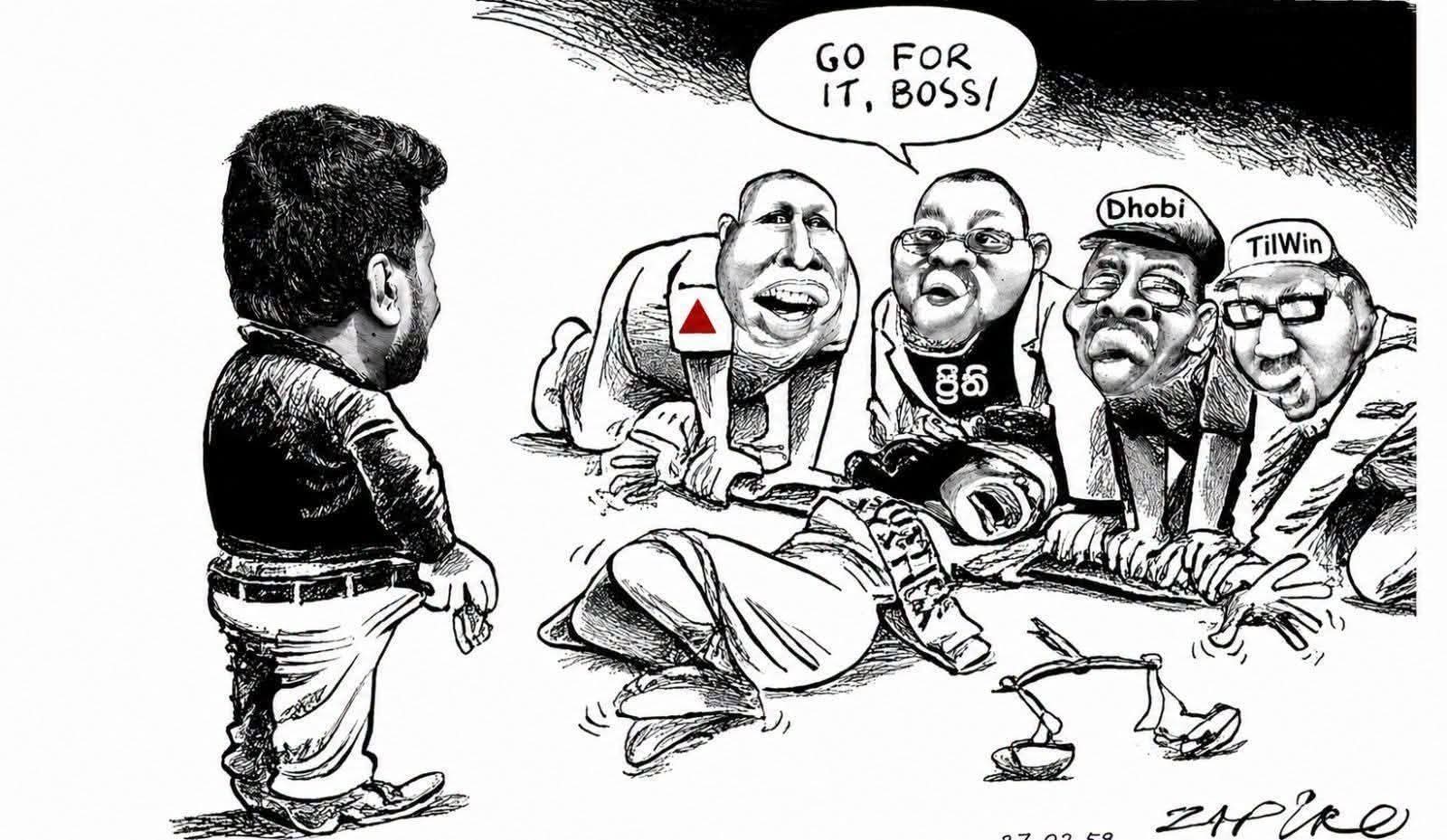
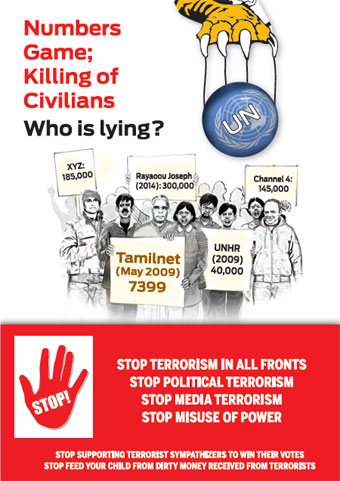
Australia has denied Maj. Gen. Chagie Gallege a visa, as we reported yesterday, though it now claims his application, which was submitted in September, 2016, is still under assessment. It has cited, as the reason for its controversial decision, some unsubstantiated allegations contained in two reports, one by former UNSG Ban ki-moon’s panel of experts and the other by the UNHRC head, against the Sri Lankan armed forces.
It is to be regretted that Australia, which claims to cherish justice and fair play, has chosen to consider unproven war crimes charges the dinkum oil. A careful examination of the reports at issue will show that the figures used therein have been plucked out of the air and those who prepared the documents, riddled with holes, have resorted to begging the question, to support their arguments.
Defeating the LTTE would not have been possible without the military personnel of Maj. Gen. Gallege’s calibre. The elimination of terrorism has made the entire country safe and paved the way for the revival of democracy in the North and the East. The mainstream Tamil political parties are now in a position to have themselves heard without fear of being killed by terrorists and, most of all, children can attend school, in the former war zone, without fear of being abducted by the LTTE.
However, if there are specific charges against any member of the armed forces—Gallege included—they must be probed thoroughly and he or she punished, if found guilty. But, treating anyone like a criminal on the basis of unsubstantiated allegations against him or her cannot be countenanced on any grounds. Such action is antithetical to the principle of justice or, in other words, ‘the moral obligation to act on the basis of fair adjudication between competing claims’. The Australian government seems to think that a suspect is guilty until he is proven innocent. It may not be too cynical a view that if Australia, as a Commonwealth nation, is allowed to be represented in the panel of judges in the hybrid war crimes tribunal the UNHRC is planning to set up here, suspects may be hanged before being tried!
Interestingly, while Australia and the US have denied senior Sri Lankan military officers visas in view of war crimes allegations against the Sri Lanka Army, the Tamil political parties, especially the TNA, at the forefront of a campaign for an international war crimes probe, went all out to make the war winning army commander, Gen. Sarath Fonseka, the President. They had no qualms about throwing their weight behind Fonseka in the 2010 presidential race though he had, in December 2009, publicly declared that he took the full responsibility for everything the army had done under his command! According to a US diplomatic cable disclosed by WikiLeaks, a Colombo-based American diplomat was instrumental in bringing the TNA and the SLMC together to back Fonseka!
Another terrorist attack has sent the UK reeling. It is a mistake for any country to handle terrorists with kid gloves even if they do not threaten its interests directly. One main reason why the UK is in this predicament is that it has allowed various terrorist groups to establish an underground network to facilitate gun running, narco trade, human smuggling, forgery and other such criminal activity. Now, any terrorist outfit can make use of it to carry out attacks.
Britain has allowed savage terrorist groups to use London as a base to unleash violence in other countries all these years and its sinful action has apparently come home to roost. In the aftermath of Wednesday’s terror strike at Westminster, the British government vowed to combat terrorism with might and main though it usually urges developing nations to sort out issues that give rise to terrorism through negotiations with terrorists!
Meanwhile, it boggles one’s mind why Australia, which goes by unproven war crimes allegations against the Sri Lankan armed forces where visa matters are concerned, is dependent on the Sri Lanka Navy to hold illegal immigrants and human smugglers at bay. Are we to conclude that it subjugates its human rights concerns to its national security needs?
578 Viewers