Trust is the key
13 A to Federal
(Courtesy of The Island)
Only a few things stand between devolution under the 13th Amendment and federalism. Among them are the unitary character of the state, the executive presidency and the powers of the provincial Governors to keep Chief Ministers in check. It is only natural that these constitutional safeguards continue to trouble the tenacious seekers of more devolution.
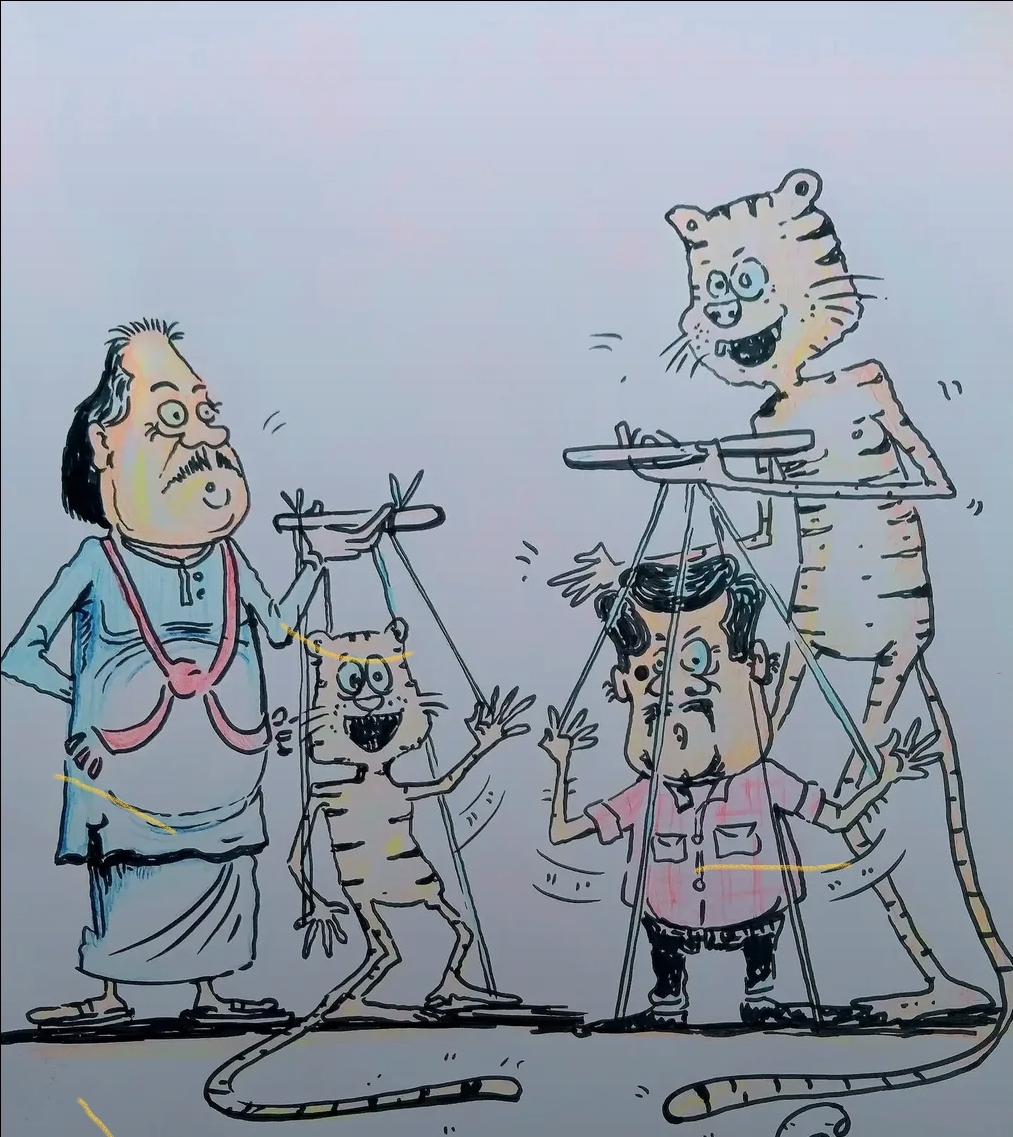
The TNA and others of its ilk including pro-LTTE groups threw their weight behind Maithripala Sirisena in the last presidential race in the hope that he would facilitate further devolution of power. They may have thought he would serve only one term and, therefore, be in a position to grant their wishes without worrying too much about the political consequences of his action. But, he apparently does not want to retire after completing the first term if his loyalists’ claim that he is the best presidential candidate the SLFP can field at the next presidential election is anything to go by.
President Sirisena is convinced that it is political suicide for him to ignore mounting opposition to moves being made to devolve more powers through a new Constitution.The UNP, which enlisted the support of the TNA et al to make Sirisena President and dislodge the Rajapaksa government, is banking on those forces in view of the next presidential election. Its failure to help fulfil their aspirations is bound to cost it their support. Having expected Sirisena to secure the executive presidency and retire at the end of the first term, it is now in a dilemma. Without the SLFP’s cooperation, it cannot introduce a new Constitution in keeping with its promises to the TNA, the international community and others.
The SLFP has made it abundantly clear that it will back only constitutional amendments that do not entail a referendum. In other words, it wants the entrenched clauses in the current Constitution to remain intact. Thus, it has craftily put paid to others’ efforts to do away with the executive presidency, the linchpin of the existing Constitution, and change the structure of the state. President Sirisena, true to form, remains noncommittal while his trusted lieutenants are articulating the party’s position on constitutional reforms.
Ironically, the TNA now finds the unitary character of the state an insurmountable obstacle in its path. In 2000, it deferentially fell in line when the LTTE, it had audaciously declared the sole representative of the Tamil community, rejected President Chandrika Kumaratunga’s draft Constitution which sought to transform the Sri Lankan state into a ‘union of regions’ and devolve more powers to the proposed regional councils. The UNP, the JVP, the LTTE and its proxies opposed the draft Constitution, albeit for different reasons, and the constitutional reform package fell through as a result.
One of the main reasons why there is so much of resistance to the moves being made to devolve more powers is that the proponents of devolution have a history of demanding a power sharing arrangement going beyond even federalism. Their demand even derailed a fragile peace process under the UNP-led UNF government in 2003. The European Parliament highlighted this fact in its resolution on Sri Lanka on Sep. 08, 2006: [The EU Parliament] ‘condemns the intransigence of the LTTE leadership over the years which has successively rejected so many possible ways forward, including devolution at the provincial level or Provincial Councils, devolution at the regional level or Regional Councils as well as the concept of federation with devolution at the national level [as envisaged in the Oslo Declaration]’.
The then LTTE proxies, currently involved in the constitution making process, fully endorsed the LTTE’s call for an Interim Self Governing Authority (ISGA), which independent observers such as the then US Deputy Secretary of State, Richard Armitage and EU envoy Chris Patten dismissed, out of hand, as something that ‘far exceeds the Oslo Accord and does not resemble any kind of known federalism’. Their persistent call for more devolution has come to be viewed as part of a sinister campaign to divide the country politically. There is a severe trust deficit. Pro-LTTE activities and some Tamil politicians’ rhetoric and threats in the North, the hostility of the Northern Provincial Council towards the state and duplicity of southern politicians who signal left and turn right will only worsen the situation further and render the on-going constitution making project a Sisyphean task.
548 Viewers