Navi Pillay says scars of terrorism and conflict yet to heal in Sri Lanka – Whose scars?
Thu, 2014-06-
By Raj Gonsalkorale
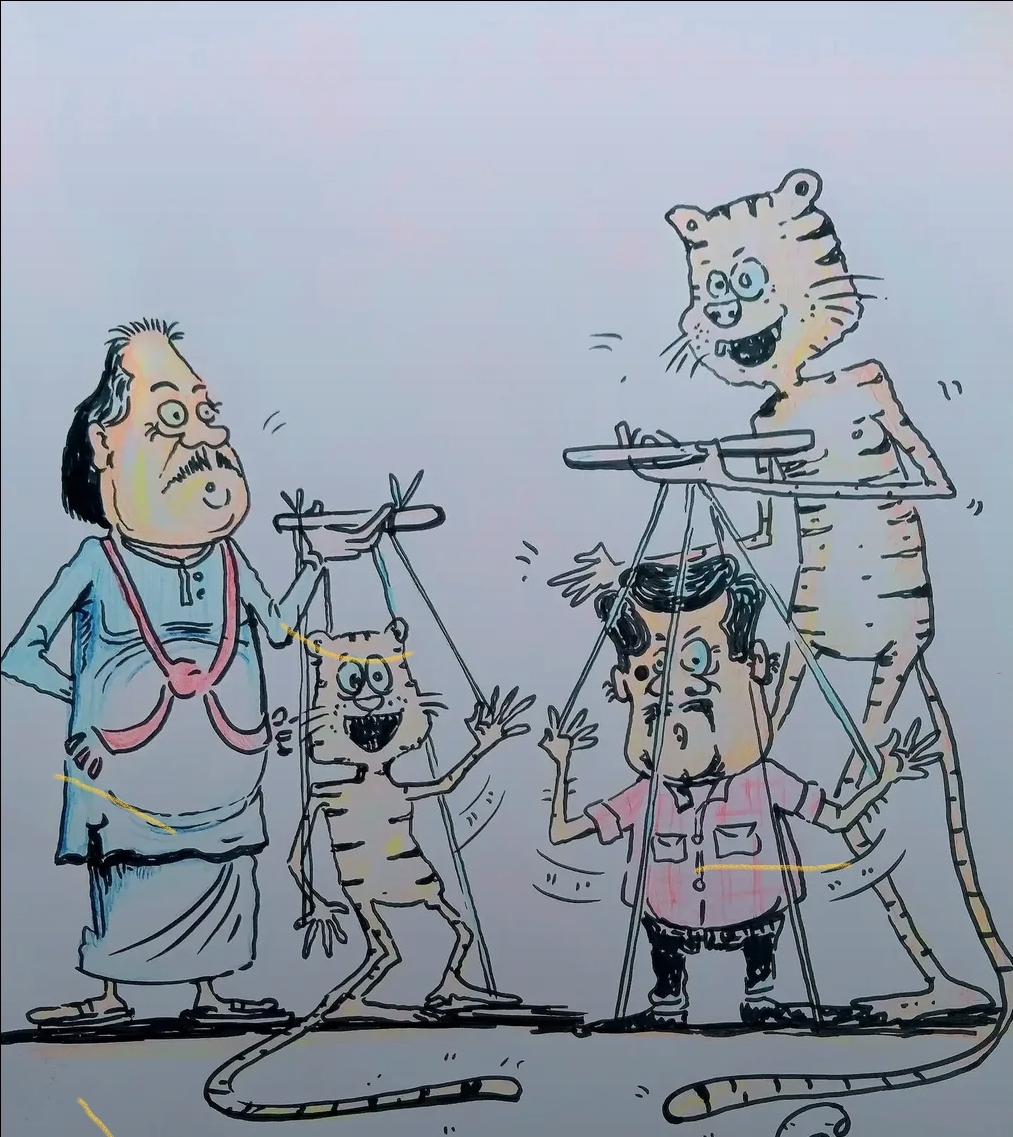
 Outgoing UNHRC chief Navi Pillay gives the distinct impression that terrorism and conflict in Sri Lanka affected only the Tamils of Sri Lanka. This impression arises from the fact that she has led the chorus to investigate the final war in Sri Lanka and the role played by the Sri Lankan Armed Forces during the final war and as she had no desire to investigate the atrocities committed by the LTTE, then and for 30 years prior to that.
Under pressure from various quarters, this year’s UNHRC session in March extended the investigation for it to commence from the point when the Ceasefire Agreement was signed by the LTTE and the then government of Prime Minister and the present Leader of the Opposition Ranil Wickremasinghe in 2002. The UNHRC resolution that was narrowly passed also included an investigation of activities of both the LTTE and the Sri Lankan government forces since the Ceasefire Agreement. The investigation will also include the period of the final war.
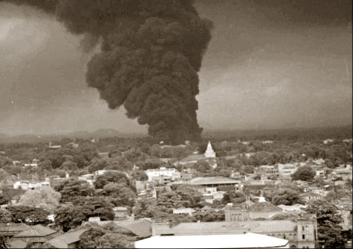
360 suicide attacks, 38 vehicle bombings, 1 president, 1 PM, 1 FM, 1 Defence M, 6 Ministers, 32 Parliamentarians, 68 Buddhist monks, 21 other clergies, 11 trains, 72 buses, 104 towns, 12 passenger aircrafts, 31 military aircrafts, 316 schools, 197 religious places, 40 strategic commercial places, 16058 military personnel, 34868 Singalese and Muslim civilians, 51539 Thamil boys and girls were murdered by LTTE, its supportive TNA and LTTE diaspora. How come scares could be healed so soon? We will forgive them. That is why 12000 ex LTTE have been rehabilitated. But we will not forget it. We will keep it mind that so strongly so that not to allow ugly head of LTTE to raise again in any manner – A Sri Lankan of unknown ethnicity
Ms Pillay says this enquiry is needed for scars to heal. The question that should be posed to her would be to ask her, “whose scars”?
There is no doubt that the Tamils of Sri Lanka, especially the Tamils of the North and East of the country suffered as a result of the conflict and terrorism. However as stated by the Sri Lankan of unknown ethnicity, others suffered as well. Besides innocent the Tamils, innocent Sinhalese and Muslims also died, and others, especially thousands of Sri Lankan Armed Forces personnel and Policemen and women also lost their lives and many lost their limbs and many others were left paralysed. Many are still suffering from the trauma of the armed conflict.
The conflict and terrorism left behind many war widows. Not just Tamil women, but many Sinhalese and Muslims women as well. It left behind thousands of orphans of all ethnicities.
Yes, scars run wide and deep and these are not exclusively amongst Tamils.
The dead cannot be brought back to life and the maimed will probably be maimed for life. A widow may marry someone else, or may not. Some luckier orphans will find homes and love, and opportunities to advance themselves and become decent citizens. Many more orphans probably will not be that lucky and they will grow up without the love of their parents and caretakers, if indeed they are lucky enough to find caretakers.
30 years of terrorism and war took more than 100,000 lives; left thousand s maimed physically and mentally, and produced thousands of orphans. It destroyed thousands of homes that were once happy homes. It destroyed the livelihood of thousands of people of all ethnicities.
Yes, it left behind scars that are indelible amongst some who suffered and who still are suffering.
The issue before all these people and all others living in the country is how they can move forward and rebuild their lives and their homes and their livelihoods, not who did what to who as that is not going to help them to move on.
Just like some Tamils, Sinhalese and Muslims who suffered and lost loved ones could all say they also want to know who did what and who was responsible. One could apportion blame to the political leadership of the country since independence and successive governments since then. One can blame the LTTE and one can blame successive Indian governments and Prime Ministers beginning with Indira Gandhi. One can blame the Norwegian government for brokering the Ceasefire Agreement.
This would be one option. It is however an option that would not allow the scars to heal. It is an option that will extend the hatred some may harbour towards someone else and worsen the wounds that Ms Pillay wishes to heal. It is not an option that will build a home for someone or a find a livelihood for another. It is not an option that will provide for widows who lost their husbands and in many cases, the bread winners and a father to many sons and daughters.
Ms Pillay seems tenaciously disposed towards playing the blame game and making sure scars never heal.
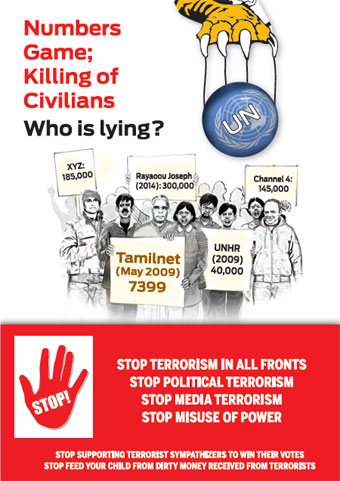
Many innocent Tamils died during the last days of the final war, and of course so did thousands of Sri Lankan Armed Forces soldiers. There are dubious, contested accounts as to how some Tamils died, and the case Ms Pillay has made to investigate the Sri Lankan conflict and terrorism, rests on these dubious, contested accounts.
Collateral damage and the inevitable sacrifice of innocent human life in a brutal but inevitable war is something that Ms Pillay and her supporters in the West have chosen to identify as something special to Sri Lanka while it happens in many other theatres of war played out with the support and instigation of the West. These are never investigated and no one is brought to book. That is the exclusive privilege enjoyed by rich Western nations as they are not accountable for their actions outside their own borders.
The issue of healing scars has to be looked at from the Sri Lankan point of view as after all, it is Sri Lankans who bear those scars. As stated earlier, people of all ethnicities suffered during this conflict engineered by the LTTE and their national and international supporters and sympathisers.
Thousands of Sinhalese and Muslims died, or were maimed or rendered homeless, and their children left orphaned. They did not press for an international enquiry to apportion blame to the LTTE or someone else. They know the LTTE were to blame and there was no need for further enquiries. They wanted to move on and look towards a better future for them and their children. They have chosen this path as they felt it is the only way their scars would heal to some extent.
Although one cannot be certain, many Tamils living in Sri Lanka would not wish to know whether the LTTE were to blame or the Sri Lankan Armed forces were to blame. They probably know they suffered much more due to the LTTE although they would blame the governments of Sri Lanka and the Armed Forces to some extent for their plight.
It is very likely however, that they too would wish to move on and find a better future for their children. Their biggest challenge, and probably their biggest disappointment today might be that all the big words that are being spoken around the world has not translated to action, in order to provide them better homes to replace those that were destroyed or damaged, and to find them livelihoods and find better opportunities for their children. They know that their Diaspora brethren who are financing ad keeping alive the flame of separatism are not interested in their welfare or indeed even a solution to the conflict or for the wounds of war to heal.
They know this because the rich Diaspora has not spent any money on them or made an effort to provide them homes to live in, uplift their living standards, or helping in skills development activities that would open opportunities for them in Sri Lanka and elsewhere. Some Tamil war widows still suffer without hope, orphans are still without homes and love, and young Tamil men and women who have known nothing but conflict, terrorism, war and violence roam around aimlessly and continue to think that separatism is the only way they can have a better future.
Some elements of the TNA supported by these Diaspora groups keep this status quo as it benefits them to do so. They prevent moderate voices within the TNA being heard and they make sure the wounds of war never heal.
One has to consider Navi Pillay’s single minded wish to punish Sri Lanka in this context. She says she wants wounds to heal. However, clearly only Tamil wounds considering that Sinhala and Muslim citizens have not asked for an international investigation to help the healing process, although they too suffered immensely for some 30 years in the hands of the LTTE. Many Tamils living in Sri Lanka too would rather move on along with their Sinhala and Muslim brethren, if only they are given a chance to do that.
The international enquiry that Navi Pillay is organising on the eve of her departure from the UNHRC will only delay the healing process and exacerbate the wounds of war as it will open old wounds that had begun a slow but steady healing process.
There is no doubt Sri Lanka has to redouble her efforts to do more for all people who suffered during the 30 years of LTTE terrorism and war, and some of the actions of her Armed Forces. This has to be done despite the anti-reconciliation campaign being carried out by sections of the Tamil Diaspora, and the likes of Navi Pillay and in fact it should be done to counter these very anti reconciliation efforts. The wounds that need to be healed are the wounds of Sri Lankans of all ethnicities. The healing process is an issue and a challenge for Sri Lankans of all ethnicities. They should not leave room for outsiders to meddle in these and make matters worse for them.
875 Viewers