MR’s security
“The Rajapaksa government was lucky that the curtailment of security by way of political revenge under its watch did not result in any of its opponents being harmed. But, it may be recalled that the Premadasa administration was not so lucky. Its fate was sealed the day Lalith Athulathmudali was assassinated in April 1993. That tragic incident triggered a political tsunami, which brought the UNP’s 17-long-year rule to an end. Lessons that history provides should be learnt if disasters are to be averted”.
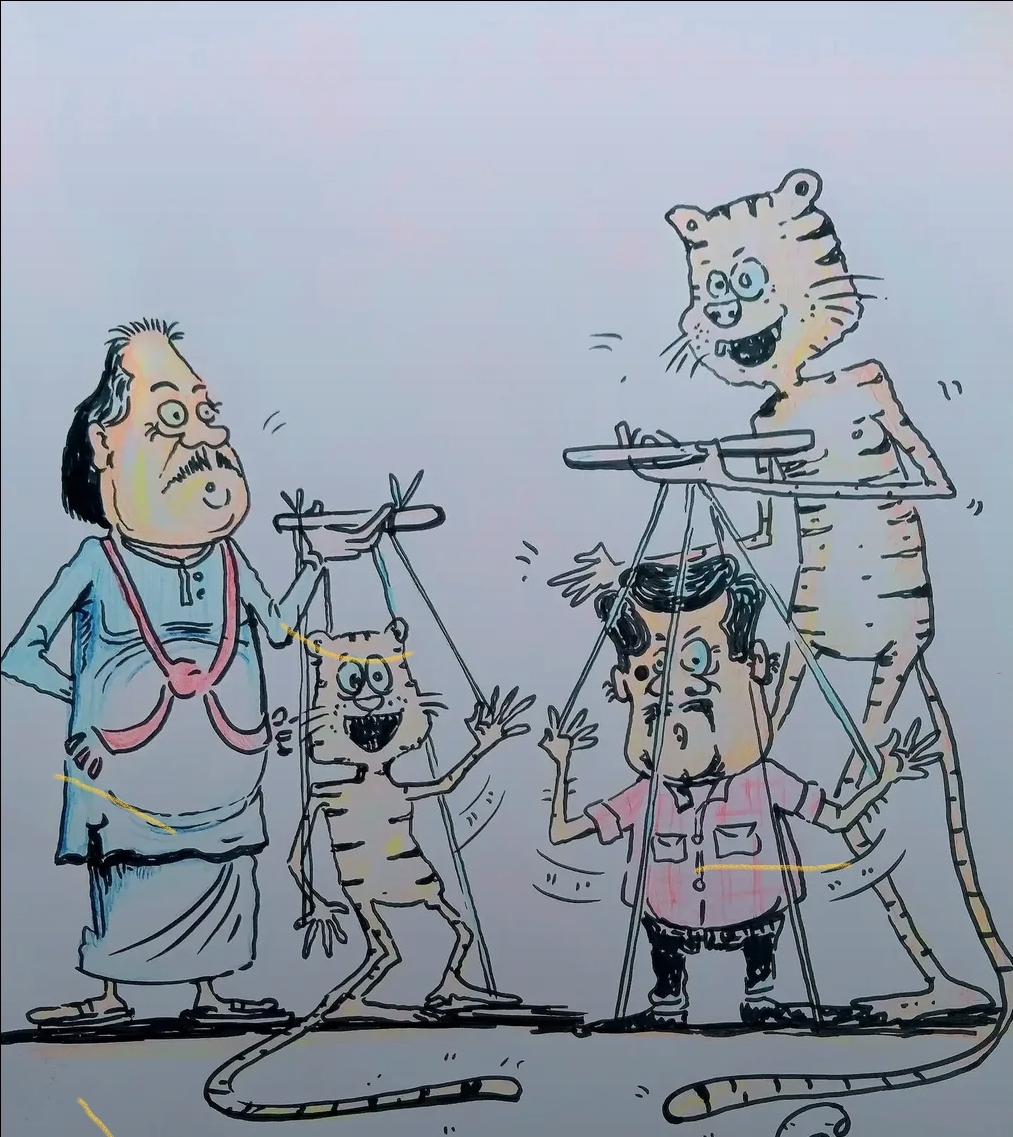
Former President Mahinda Rajapaksa has complained that the army personnel attached to his security contingent are being withdrawn apace and his bullet proof vehicle has not been returned after repairs. The government is sure to trot out some lame excuses, as it has done previously, in a bid to justify such politically-motivated action.
True, the Rajapaksas sinned; they resorted to revengeful action against their political enemies, real and perceived, while they were ensconced in power. Their hubris and abuse of power knew no bounds and they never thought they would find themselves in this kind of predicament. The Rajapaksa government earned notoriety for numerous witch-hunts against all those who dared challenge them politically or otherwise. They even unflinchingly reduced their political rivals’ security without proper threat assessments. Prominent among those who had to undergo harassment at their hands for ruffling their feathers were Sarath Fonseka and Maithripala Sirisena.
In a turn of events replete with irony, the boot is now on the other foot. But, two wrongs do not make a right. The present-day rulers asked for a popular mandate to topple the Rajapaksa government, promising to usher in good governance. They cannot justify doing more of what their predecessors did.
No one defeated terrorism singlehanded. The credit for that feat should be given to the then government leaders, military commanders, the ranks and file of the security forces, the Civil Defence Force, the much-maligned police and the general public who underwent untold hardships during war years without protesting. However, the fact remains that if the then President Mahinda Rajapaksa had buckled under tremendous pressure brought to bear on him, both internally and externally, to agree to a ceasefire, no one else would have been able to carry on military operations let alone eliminate the LTTE’s military muscle. Rajapaksa as well as all others who were instrumental in removing the scourge of terror and making this country safe for us to live in, therefore, deserves maximum possible protection. The present government is duty bound to ensure that their security is not compromised for political reasons, especially in view of the recent arrest of a hardcore Tiger with suicide jackets and explosives in the North.
There are, no doubt, serious allegations against the Rajapaksas, the main one being that they have stashed away as much as USD 18 bn in foreign accounts. They must be probed. The government must do everything in its power to recover the funds it accuses the Rajapaksas of having taken out of the country. Mere rhetoric won’t do. Expensive horses and Lamborghinis which were said to be in the possession of the former ruling clan must be traced as a national priority. But, under no circumstances must former President Rajapaksa’s security be reduced. It is only wishful thinking that the movements of a seasoned political leader can be curtailed by reducing his or her security. The government had better refrain from settling scores with Rajapaksa at the expense of his security.
What the government ought to realise is that it will be held responsible if anything untoward happens—absit omen! The Rajapaksa government was lucky that the curtailment of security by way of political revenge under its watch did not result in any of its opponents being harmed. But, it may be recalled that the Premadasa administration was not so lucky. Its fate was sealed the day Lalith Athulathmudali was assassinated in April 1993. That tragic incident triggered a political tsunami, which brought the UNP’s 17-long-year rule to an end. Lessons that history provides should be learnt if disasters are to be averted.
It behoves the government to ensure that its rivals are well protected for its own sake.
853 Viewers