Bid to reverse SC ruling on Singarasa case meant to pave way for foreign judges – GL
JO won’t back ratification of ICCPR
(Courtesy of The Island)
By Shamindra Ferdinando
The Joint Opposition and a section of the civil society have taken a common stand on the alleged move to do away with judicial power in terms of Sri Lanka’s Constitution being exclusively vested in courts set up in accordance with existing laws.
Former External Affairs Minister Prof. G.L. Peiris has explained the Joint Opposition’s strong stand against the proposed ratification of the first Optional Protocol to the International Covenant on Civil and Political Rights (ICCPR), at the recent launch of Sri Lanka Law College’s Law Review, produced by the Moot Society of the SLLC.
The Joint Opposition comprises nearly 50 members of parliament.
The People’s Intellectual Assembly (PIA), a civil society organization promoting good governance last week urged the Sirisena-Wickremesinghe government not to ratify ICCPR. The PIA opposed Speaker Karu Jayasuriya being asked to decide on Sri Lanka’s stand on ICCPR against the backdrop of a ruling given by a
five-judge bench very much contrary to the position taken up by the present government.
Addressing a distinguished gathering at the SLLC auditorium, Prof. Peiris briefly dealt with revitalizing R2P (Right to Protect) by Gihan Goonatilake and another piece on controversial Singarasa case by Rajitha Perera.
Sri Lankan judiciary convicted Singarasa on five counts in respect of an attack or attempted attacks on army camps in the Northern Province with a view to overthrowing the then democratically elected government in the early 1990s. Having exhausted domestic remedies, Singarasa had been successful in securing the UN intervention in terms of the 1966 International Covenant on Civil and Political Rights and the 1976 Optional Protocol. Although, Singarasa appealed to the Supreme Court, a five-judge bench upheld the original judgment.
Prof. Peiris alleged that the basic problem with R2P doctrine is that it totally lacked objectivity. Those who had intervened in domestic affairs of other countries on the pretext of protecting human rights were the very people who decided intervention was required, Prof. Peiris said.
“It is now very clear that these decisions have nothing to do with justice and equality,” Prof. Peiris said. Alleging what he called the absence of standards of universal validity, Prof. Peiris asserted that everything depend on the interests of the people intervening in particular situations.
Prof. Peiris said that there couldn’t be a clearer example than the recently released Iraq Inquiry Report aka Chilcot Report. “This is very clear from the contents of the Chilcot Report which was belatedly released after seven years.”
The former Minister identified three main features in the Chilcot Report. Firstly, the report had clearly asserted that the 2003 invasion of Iraq by US-UK led forces was unnecessary and unjustified. Secondly, the then Labour Party leader and Prime Minister Tony Blair hadn’t been fully briefed regarding the decision to join the invasion on the false ground that Weapons of Mass Destruction (WMDs) developed by Iraq posed an ‘imminent threat.’ And finally, the then British Attorney General Lord Goldsmith hadn’t been told the truth when he queried whether there had been a ‘substantial breach’ by the Iraqi government of commitments given to the UN.
Prof. Peiris recalled a very important confession made by Blair in a subsequent interview. The former Law Professor quoted Blair as having said that inadequate attention had been paid to the ‘Day After.’
The top Joint Opposition spokesperson emphasized that this was precisely the problem with the R2P doctrine.
During Eelam War IV (Aug 2006 to May 2009), various interested parties had demanded that R2P be applied here to halt combined security forces campaign directed the LTTE.
Prof. Peiris said that after foreign military interventions had resulted in the destruction of local institutions and local structures, the country invaded is left to fend for itself and anarchy the inevitable result.
One-time Sri Lanka’s Chief Negotiator at Oslo-arranged talks with the LTTE said that those lessons were directly related to Sri Lanka in the light of issues arising from the Geneva Resolution 30/1.
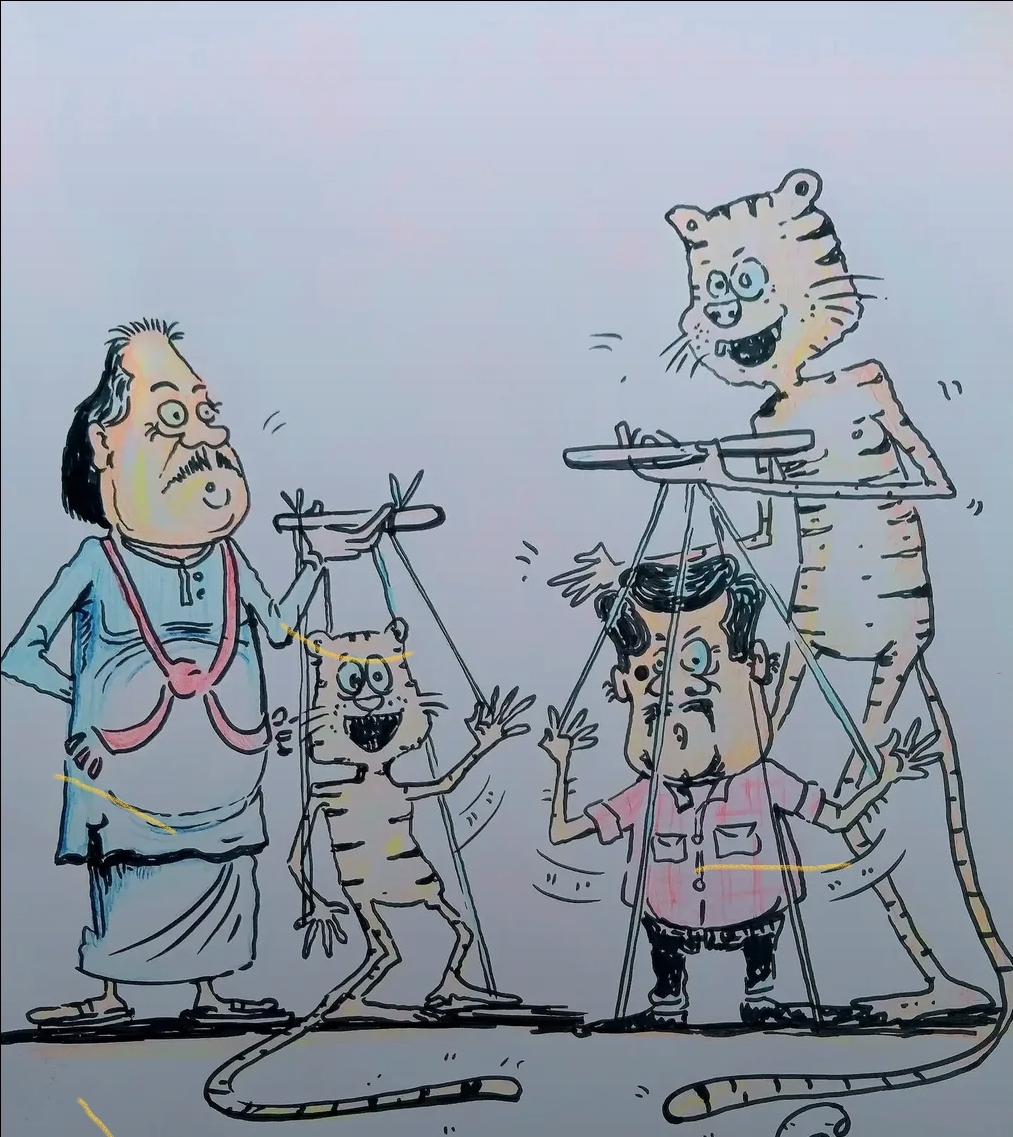
The former External Affairs Minister told the gathering that the situation had been aggravated by recent government decision to use the Speaker and the Parliament to reverse the Supreme Court judgment in Singarasa case. The move was meant to do away with the ruling that the judicial power, in terms of Sri Lanka’s Constitution is exclusively vested in courts established under the laws of the country and that Constitution prevented the exercising of judicial power by foreign judges in contravention of the provisions in Sri Lanka’s highest law.
Declaring that the government move is not acceptable under any circumstances, Prof. Peiris emphasized that the Joint Opposition would resist the move by democratic means.
The PIA has compared move to use Speaker Jayasuriya to reverse SC decision with that of the former President impeaching the then Chief Justice Dr. Shirani Bandaranayake.
785 Viewers