Anura Kumara Dissanayake’s 30% Decline: A Turning Point, Not a Collapse
In a historic surge of public trust, President Anura Kumara Dissanayake and the National People’s Power (NPP) came to power on the back of a nation broken by corruption, economic collapse, and moral fatigue. Within just six years, they won both the Presidency and Parliamentary majority, rewriting Sri Lanka’s post-independence political landscape.
But in the 2025 Local Government Elections held yesterday, the NPP recorded a sharp 30% drop in its national vote base. While the party still governs, the public has spoken decisively—not to overthrow it, but to rebalance power and demand results. This is not political rejection. It is a sober national correction.
I. From Aragalaya to Governance Paralysis
The NPP’s transition from protest to power has exposed growing pains. The party’s moral clarity in opposition has not translated into statecraft. Ministries are disjointed, execution is uneven, and the administration often looks overwhelmed by the machinery it now commands.
II. ‘Catch the Thieves’ Rhetoric Has Run Its Course
What once rallied the masses now feels tired. The “catch the thieves” slogan has become theatre—high on drama, low on delivery. Without legal closure or systemic reform, people are beginning to see it as selective outrage, not structural change. Governance is not prosecution.
III. Policy Without Preparation: A Pattern of Collapse
The public has witnessed a string of poorly implemented initiatives:
• Road rule enforcement collapsed into confusion and public backlash.
• Gun amnesty emboldened underworld actors due to lack of enforcement.
• Passport services remain dysfunctional.
• Food monopolies still operate unchecked.
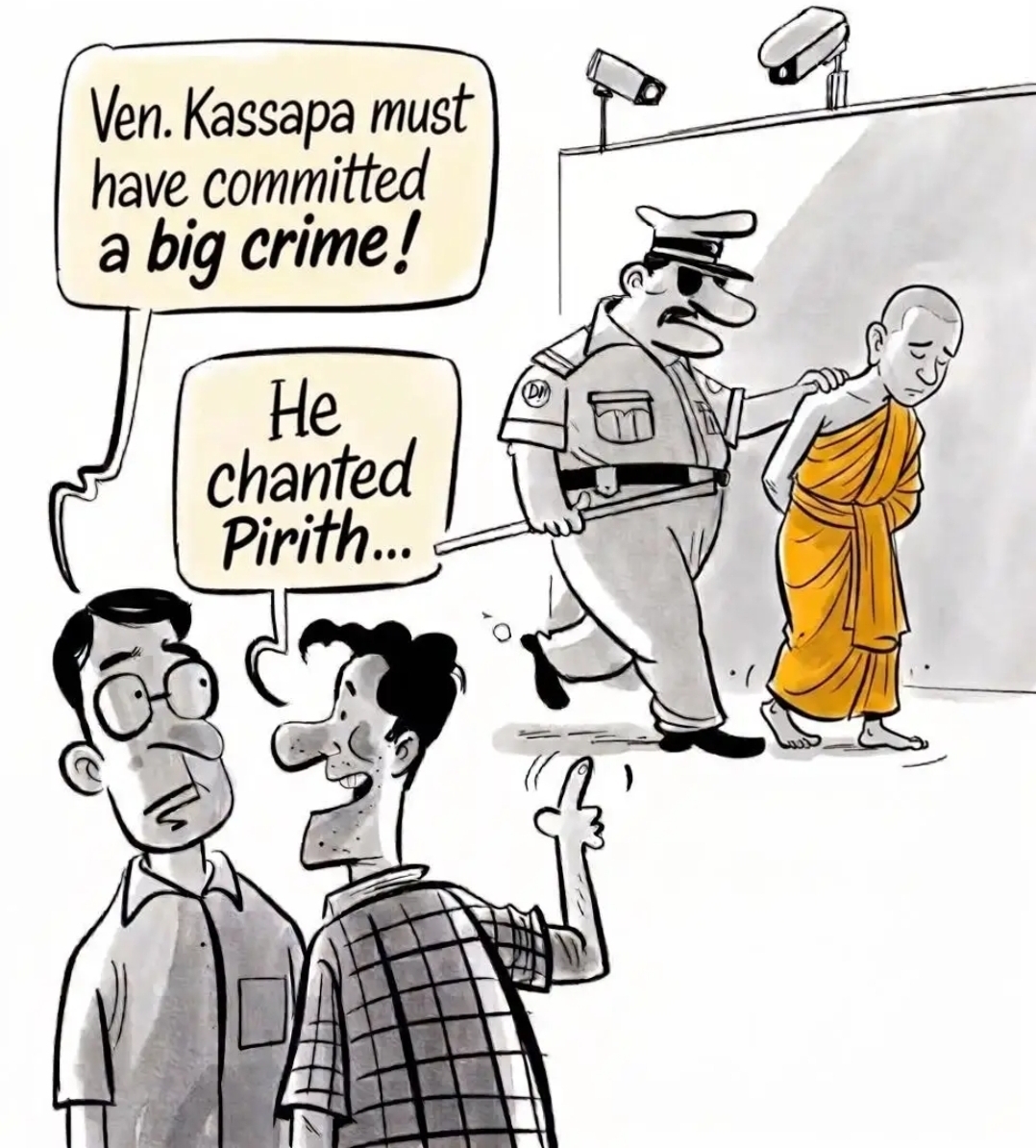
• Even religious heritage events were mishandled—such as the Sacred Tooth Relic exhibition, a symbolic failure that damaged cultural trust.
The pattern is clear: Policy is announced, not planned. Execution is reactive, not strategic.
IV. Inflation Without Relief: Poor Bear the Burden
The very people who handed AKD the presidency—daily wage earners, rural families, urban workers—are now gasping under inflation. The promise of relief has not materialized. There is no food security framework, no meaningful subsidy reform, no cooperative market system.
These voters believed in transformation. What they got was technical compliance.
V. Cultural and Religious Disconnect
Sri Lanka’s spiritual and cultural heartbeat has been sidelined. Engagement with clergy is minimal, and public trust was eroded by tone-deaf mismanagement of sacred traditions. A government of the people must also be a guardian of its civilizational values.
VI. India’s Quiet Footprint Grows—Unquestioned
The NPP government has signed multiple MoUs with India—on energy, ports, digital infrastructure, and defense—with little national debate. Trincomalee, the Eastern Province, and critical data infrastructure now face increasing foreign influence. The party that once warned of regional overreach has become silent in the face of expansionism.
Sri Lanka is not anti-cooperation. But cooperation must not be submission.
VII. No Clear Economic Philosophy, Just IMF Compliance
Is this a socialist government? A technocratic one? A people’s economy or a procedural state? The public is unsure. The government follows IMF reviews but has presented no bold national production policy, no agriculture doctrine, no small enterprise blueprint.
IMF compliance is not an economic philosophy.
VIII. The Middle Class Has No Voice
Professionals, teachers, private sector workers, and SMEs—once part of AKD’s aspiring voter base—now feel abandoned. Indirect taxes continue. No housing reform, no credit relief, no upward mobility plan. A generation that believed in “system change” now sees itself as collateral.
IX. SMEs Are Suffocating
No targeted credit, no export incentives, no tax easing. The beating heart of Sri Lanka’s economy—its small and medium enterprises—have been left behind. These are not big businesses. They are families, survival models, and national stabilizers. They’ve received nothing.
X. The Real Concern: No Visible National Roadmap
Six months is not enough to fix a country. But it is enough to show direction. That is where the public is most disappointed. There’s no national vision for production, no 3-year social compact, no citizen roadmap for recovery.
People don’t expect miracles. But they expect a map.
XI. Rebalancing Power, Not Rejecting It
This election result is not a punishment—it’s a recalibration. The public still respects President Dissanayake’s discipline and integrity. But they no longer believe in absolute power. They want a functioning opposition, a real civic counterweight, and a faster governance tempo.
This is not about destabilizing government. It is about restoring institutional balance. People are struggling—and they need exponential performance, not excuses. National governance must now rise to the level of national suffering.
Final Word:
If the government listens, it will correct. If it resists, it will collapse. The next six months will define whether the NPP matures into a national government—or fades into another chapter of Sri Lanka’s broken political promises.
Jihan Hameed 🇱🇰
National Affairs Analyst & Policy Commentator
58 Viewers