
Articles Posted in the " Articles " Category
-
Maithripala – Ranil’s latest puppet
H. L. D. Mahindapala
The joint opposition was desperately looking for a common candidate to (1) end, if possible,its divisive, internecine conflicts and (2) present a formidable and acceptable candidate who could stand up to the incumbent, Mahinda Rajapaksa. On
…
-
A Critical Analysis of the 2015 Sri Lanka Presidential Election
The impression given to the public is that the country has had enough of President Rajapakse and his family rule – if the country hated President Rajapakse so much why did the main Opposition and the Opposition parties need to …
-
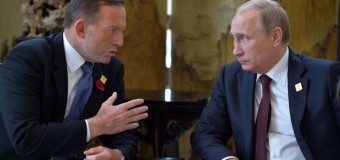
Living with Insanity Harper, Abbott, and Cameron at the Brisbane G-20
Canada’s Prime Minister, Stephen Harper, is reported by a spokesman, to have had the following exchange with Russia’s President Vladimir Putin during the Brisbane G-20 summit: “Well, I guess I’ll shake your hand, but I only have one thing to …
-
“UN human rights investigators are trained to spot fraudulent submissions” Prince Zeid – How come UNHRC was mum on the ‘doctored’ forms sent by LTTE-TNA against Sri Lanka?
The new head of the UN Human Rights Council deems fit to insult a democratically elected UN Member country for bringing to the attention of the Human Rights world body the arrest of an unrehabilitated LTTE cadre collecting blank forms
…
-

What Dick Cheney’s lies on 9/11 has cost the US and impacted the world
In a documentary “The World According to Dick Cheney,” Dick Cheney then Vice-President of the USA admits that it was he and not President Bush who ordered the shooting down of the plane that fell into a field in Pennsylvania …
-
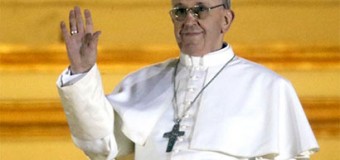
Pope Francis arriving in majority Buddhist Sri Lanka must apologize for the crimes of the Catholic Church?
The head of the Catholic Church and head of the sovereign nation known as Vatican City is to arrive in Sri Lanka in January 2015. It will be the 2nd visit of a Pope to a majority Buddhist nation …
-
UNHRC Investigates Sri Lanka: What happens when ‘the other side’ is caught collecting blank submission forms with signatures?
The signatures are genuine but the witness account is false – how does the OHCHR/UNHRC and OISL define this? Is it a forgery or false evidence or how else would OHCHR define such mischief? It certainly is not a bonafide …
-
Sri Lanka-Israel comparison of how UN/UNHRC officials treat Third World nations
62% of all Resolutions (over 400) at the United Nations have been against Israel. US, UK, EU not even the UN Secretary General or the UNHRC head have hounded Israel the way they have Sri Lanka. This is no exaggeration …
-
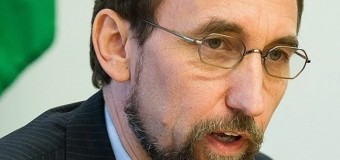
Mr Zeid’s integrity gripe
By Malinda Seneviratne
The UN High Commissioner for Human Rights, Zeid Ra’ad Al Hussein is upset with the Government of Sri Lanka. He said, ‘The Government has refused point blank to cooperate with the investigation (into allegations of human rights …

Photo News

Cartoon
සිංහල ආණ්ඩුක්රම ව්යවස්ථාව


LTTE Terrorists Attack of the Month
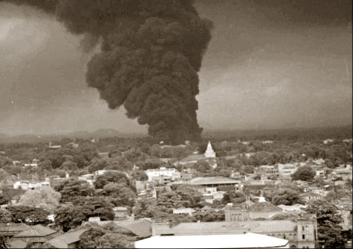
20th October 1995 an LTTE terrorist squad attacked the Ceylon Petroleum Corporation Bulk Fuel Installation at Kolonnawa.
Numbers Game
13th Amendment
