The International Drama: ICC Sanctions and the Awarding of the Nobel to Navaneethan Pillay
The awarding of the Nobel Peace Prize to Ms. Navaneethan Pillay (Navi Pillay) and the subsequent imposition of sanctions by the United States of America against the International Criminal Court (ICC) is an important phenomenon that reveals the double standards existing in the international human rights system and the shape of power politics.
Although the United States has long portrayed itself as the “policeman protecting international human rights”, when charges are brought by international courts against its own or its closest allies’ (e.g. Israel) military officers and political leaders, it exhibits the characteristics of an ordinary policeman and strongly opposes it.
They argue that since the United States or Israel are not members of the ICC, that court has no power to investigate their citizens. But when international charges are raised against other developing countries or states that are opponents of America, America uses the decisions of these institutions as a weapon. The Picassos are defeated when it comes to making the monitor lizard into an iguana when it wants to eat.
Instead of respecting the international legal system at times when it is challenged, by imposing sanctions on ICC lawyers and officials, it becomes clear that America’s foreign policy is determined not on human rights but on its own geopolitical interests.
There was severe criticism regarding her conduct during the period when Navaneethan Pillay served as the United Nations High Commissioner for Human Rights (UNHRC).
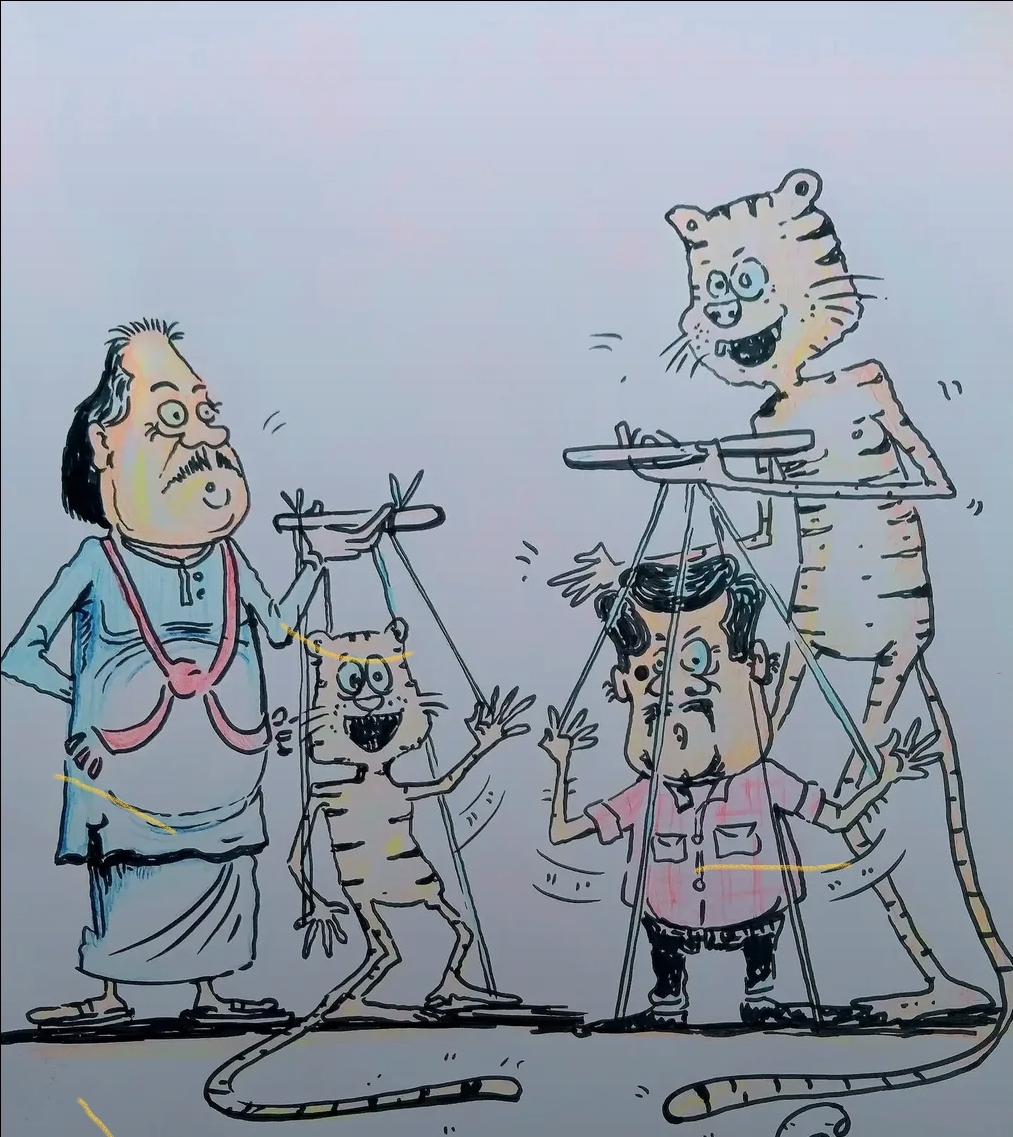
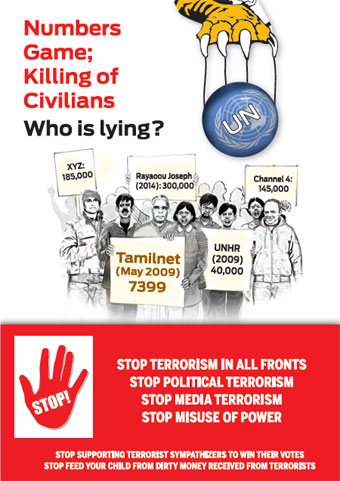
It has been seriously alleged that during the final war period of defeating the LTTE terrorism that existed in Sri Lanka, when investigating alleged war crimes, the United Nations and Ms. Navaneethan Pillay acted based on one-sided and non-independent reports (e.g. the Darusman Report).
Sri Lanka has repeatedly pointed out that under her direction, actions were taken to level absurd accusations targeting the state armed forces, rather than giving attention to the LTTE organization using civilians as human shields, deploying child soldiers and other human rights violations committed by the terrorists’ side.
Criticisms that the UNHRC mechanism was used to put pressure on small and sovereign states in accordance with the political needs of Western states called her impartiality into question.
The Nobel Peace Prize is often criticized as an award that represents international political inclinations and Western ideologies.
Although this award was presented to Ms. Navaneethan Pillay saying she stood for international law and human rights, due to the biased or unbalanced policy she followed with regard to some regional states and armed conflicts throughout her service, how suitable she is for the Nobel Prize for Peace is debatable.
In short, by America imposing sanctions against the ICC, America’s “pragmatic and double standard” stance on human rights is revealed. Also, by awarding the Nobel Peace Prize to people like Navaneethan Pillay who acted in a way that harms the sovereignty of small states and based on unbalanced reports, it is confirmed that even the international human rights and peace award systems are used as “political tools”. Therefore, America’s legal and humanitarian right to criticize the ICC as well as Navaneethan Pillay’s impartiality should be subjected to impartial criticism.
– Yasas Dharmadasa
5 Viewers