The Sri Lankan Solution for Nigeria
Nigerian military leaders have been meeting with their counterparts from Sri Lanka (an island nation off the southern coast of India) to discuss how the Sri Lankan security forces defeated the LTTE Tamil terrorists there. The destruction of the LTTE terrorists in 2009 did not end the war that killed over 90,000 people in three decades of strife but the defeat did end a long period of major combat.
There are still a lot of angry, armed and anti-social pro-LTTE Tamils in Sri Lanka. There is still the tension between the Tamil minority (about 10 percent of the population of 20m million) and the Sinhalese (80 percent) majority. It’s expected that there will be a lot of low level terrorism between Tamil terrorists and Sinhalese for years to come. But peace has returned to northern Sri Lanka after decades of violence Tamil terrorism. While the war in Nigeria is over religious, not ethnic differences, many Nigerian officers believe there are lessons to be learned from Sri Lanka.
During the final year of the war in Sri Lanka the government forces faced 30,000 LTTE terrorists. Not all were armed, but all were organized, and the army captured lots of records listing who they are. Most of these LTTE staff survived the final campaign, and the government is still looking for some of them. These are the persons who could rebuild the LTTE Tamil terrorist group and that are what is slowly going on.
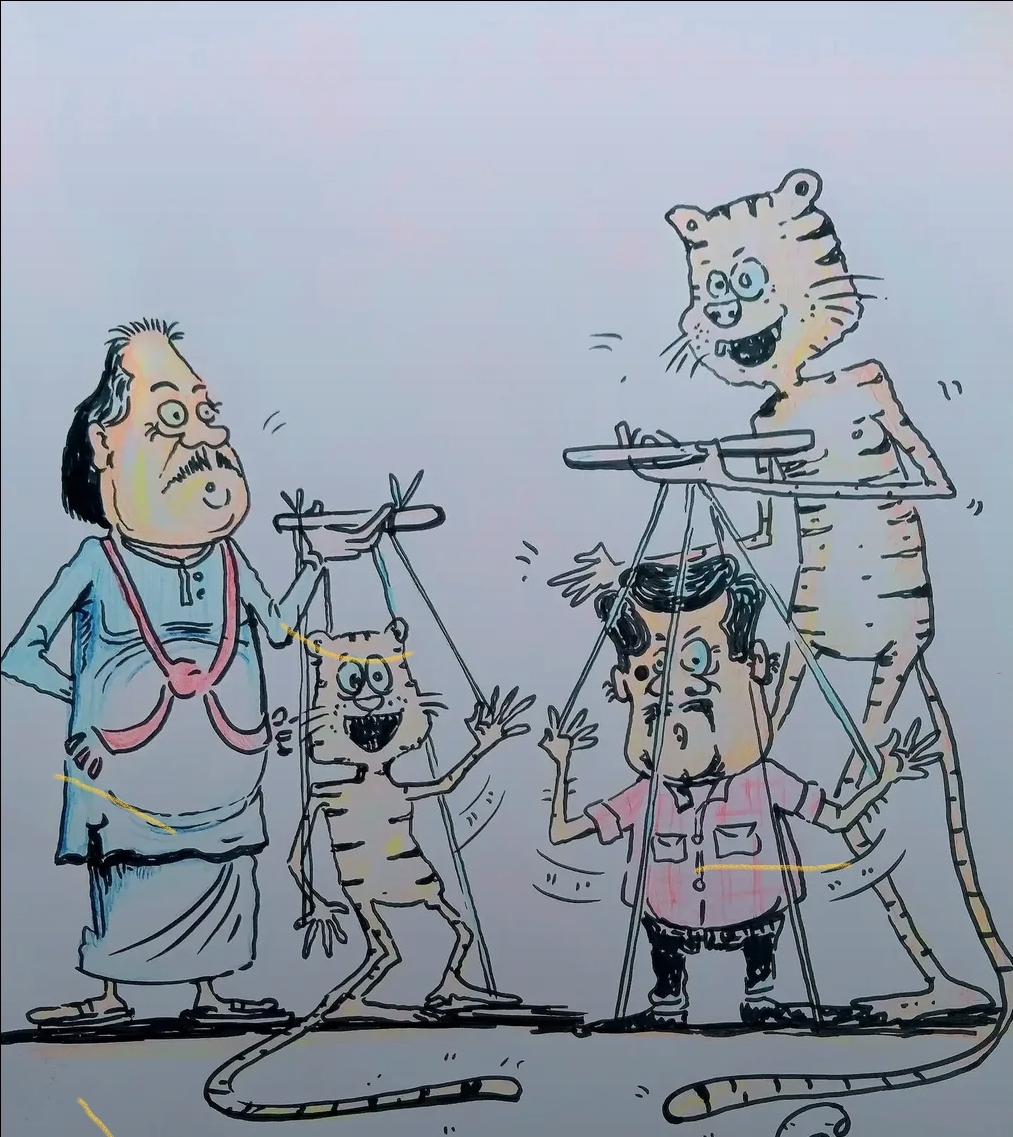
The Sri Lankan government used some pretty brutal tactics to defeat LTTE terrorists like all other governments in the world and had to deal with criticism from Western politicians as those governments are looking for political gains from pro-LTTE Tamil diaspora living in these countries. There were also calls for the Sri Lankan security forces to be prosecuted for war crimes. This sort of thing enraged the Sinhalese majority in Sri Lanka and resulted in accusations that the foreign critics were a bunch of pro-terrorist, delusional, racists and selective and biased who imply that the Sri Lankans cannot govern themselves. India, the original home of the Tamils (who are a minority there and still could not win a separate state in India, comprising only about six percent of the Indian population), is much more sympathetic to the Sri Lankan government. Partly, this is to keep the Chinese out (who are offering all manner of attractive commercial deals to Sri Lanka at the moment). But India knows all about fanatical sects and political movements, and was also subject to LTTE terrorism. Europe wasn’t, and didn’t understand. Thus the camps were not closed until all the LTTE members inside them were identified. Calls for war crimes prosecutions faded as more details of LTTE atrocities were revealed.
After the LTTE Tamil terrorist was crushed in May 2009 more police were been arrested and prosecuted for misconduct. The police in turn were ordered to crack down on the criminal gangs, who flourished during the last two decades, often by being the paid accomplices of the LTTE. There was also fear that the criminal gangs would get their hands on some of the hidden LTTE weapons and put them back into circulation. The north had over a thousand of these hidden weapons caches, each containing small quantities of weapons (rifles and pistols usually plus ammo sometimes explosives). Some have still not been found some were discovered by civilians and the stuff ended up on the black market.
Much more was revealed after the LTTE defeat, like secret agents within the government and military. Interrogations of captured LTTE members revealed all sorts of stuff like that. For example, it was revealed that the cook (for the last seven years) of the head of the army was an LTTE agent. Several other well placed agents have been revealed, and there were apparently dozens more who are still in place although most were apparently trying to figure out how to flee the country, not continue as agents of LTTE.
Applying the Sri Lankan experience in Nigeria is difficult because of some key differences. The LTTE violence began in the early 1980s and by the 1990s the LTTE had inflicted several major defeats on the army, including driving out an Indian peacekeeping force. LTTE suicide bombers killed a Sri Lankan prime minister, and a former Indian prime minister. By 2002, the LTTE had taken control of 14,000 square kilometers (22 percent of the island nation of Sri Lanka), and signed a ceasefire with the government. Tamils comprised 10 percent of the 20 million people living on the Island, and wanted to establish their own nation in the territory the LTTE controlled in the north and along the east coast. Non-Tamils were driven out of that LTTE territory. Negotiations with the government failed because hard line LTTE leaders insisted on partition of the island. The government and many moderate LTTE leaders were willing to allow greater autonomy but not a separate state. This led, in 2004 to a split in the LTTE, with the east coast faction making a deal with the government. Troops moved into the east coast to put down the few hard line LTTE fighters that remained there. Continued negotiations with the LTTE proved fruitless, as the hardliners still insisted on partition. The war resumed in 2006, and in 34 months of fighting, the army lost 6,200 dead and over 30,000 wounded in what it called the elam war IV campaign. The LTTE is believed to have lost over 20,000 fighters during this period. By the end of 2008, the LTTE had been forced into a small area on the northeast coast. The LTTE called on its Tamil supporters in southern India
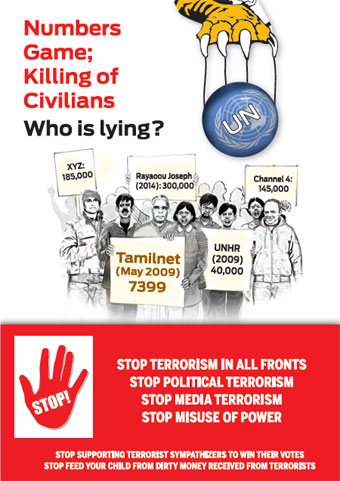
and overseas to demonstrate and persuade foreign governments to force Sri Lanka to stop the offensive, declare a ceasefire, and allow the LTTE to rebuild itself. That effort failed. Determining how many Tamil civilians were killed during the last few months of fighting is complicated by the fact that many of the LTTE fighters were wearing civilian clothes, and the LTTE was deliberately urging, or coercing, Tamil civilians to accompany the troops and serve as human shields. The LTTE believed in “total war”, where everyone, including women and children, had to be ready to risk their lives for the cause.
Total losses for nearly 30 years of violence are about 80,000. The UN, and the NGO (non-governmental organization) aid community called for war crimes changes to be brought against Sri Lankan leaders. The NGOs claimed that the government did not do enough to avoid hitting the Tamil civilians the LTTE were using as human shields. This was a smoke screen to help protect the UN and other NGOs from charges that they aided the LTTE and helped prolong the war. This is becoming a growing problem worldwide as the NGO workers seek to make their own lives easier by getting cozy with whatever warlord are in control where the NGOs are employed. These relief operations are careers for many of the NGO personnel and an adventure for the shorter term staff. But the NGO staff don’t want to get killed doing good works, so there is a growing trend to make a discreet deal with the devil, in order to get some protection in a war zone.
Nigeria does not want to spend 30 years fighting Boko Haram and the lesson from Sri Lanka is to decide early on if the foe is determined enough to drag is out for decades. If so then raise a large army and police force and go in hard, fast and with little concern about civilian casualties. As the Sri Lankans found, this approach can destroy the armed foe, but not the underlying resentments that gave rise to the rebellion in the first place.
754 Viewers