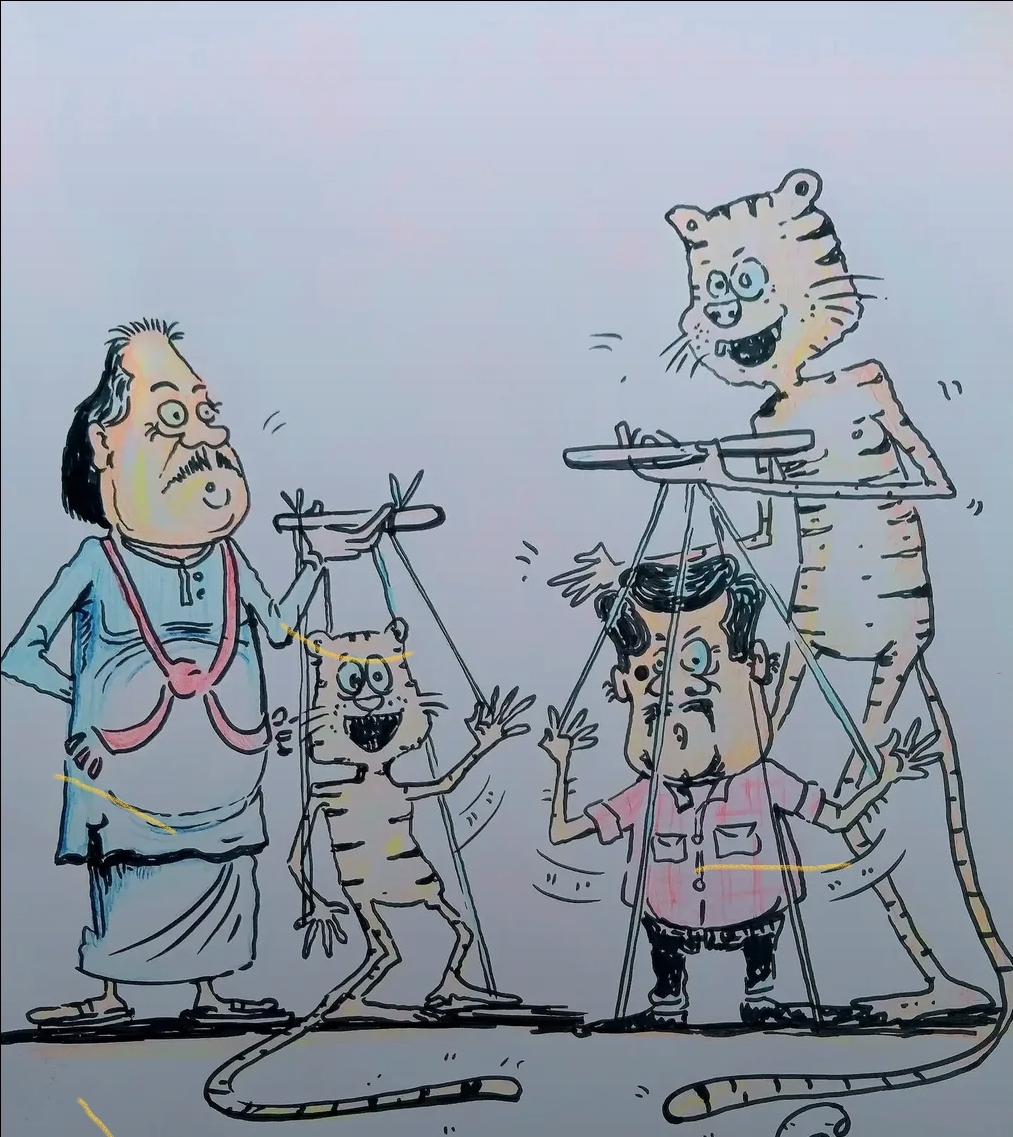
Thus spake Zeid
(Courtesy of The Island)
UN High Commissioner for Human Rights Zeid Al Hussein said nothing new on Tuesday. He only reiterated, more or less, what the architects of the UNHRC resolution had said prior to its passage in Geneva last year.
Hussein need not have taken the trouble of coming all the way here, spending UN funds and his precious time which could have been used for finding ways and means of mitigating the devastating fallouts of crises in Syria, Afghanistan, Libya, Iraq etc. He could have made his statement on Sri Lanka from Geneva itself.
Those who naively expected Hussein to soften his stand on the war crimes issue on account of the change of government last year must be thoroughly disappointed. He basically reminded the government that as a co-sponsor of the UNHRC resolution it had to fulfil its commitments. The bottom line is that foreign participation in the war crimes probe is non-negotiable.
Hussein slammed Sri Lanka’s judicial and law enforcement systems in a bid to bolster his argument for foreign participation in the war crimes investigation to be launched here. He has proved that he is a diplomat par excellence. He came; he delivered his message in a measured tone, weighing as he did each and every word he uttered and went away. A good diplomat is said to be capable of telling someone to go to hell in such a way that the latter really looks forward to the trip.
So, it is now a case of Hobson’s choice for Sri Lanka. The Geneva resolution has to be implemented fully whatever politicians may say for the consumption of their constituencies. No one will be able to obfuscate the issue of foreign participation in the war crimes probe any longer.
Politicians of both main parties ought to take cognizance of the issue of institutional failure which the UN rights chief made specific mention of. His assessment of the judiciary and the police cannot be dismissed as entirely baseless. Political interference has been the bane of all state institutions. It cannot be denied that selectivity has come to mar the processes of law enforcement and justice dispensation. Not everyone is equal before the law. The Attorney General’s Department has lacked independence for the past several decades and during the Rajapaksa rule it was reduced to a mere appendage of the then government. That institution has not yet been delivered from the clutches of politicians. If those vital institutions had been given free rein, under successive governments, to evolve as vital organs of the state no one would have been able to slam them and, above all, the question of foreign judges, prosecutors and investigators being forced on this country as regards accountability issues would not have arisen.
Meanwhile, the UN rights chief was still here when an Opposition protest plunged Parliament into chaos on Tuesday. Protesters were at fault for disrupting the proceedings of the national legislature in that manner. They did not care a damn about the fact that an important Bill seeking to increase the women’s representation was being debated at that time. They must refrain from acting like a bunch of overgrown schoolboys. Similarly, their grievances need to be heeded and their right to expression as people’s representatives respected. As victims of the political marriage of convenience between the UNP and the SLFP they demand that they be allowed to function as an independent group and enough time be allocated for them. This is an unprecedented problem, we reckon. There is a pressing need for the party leaders to put their heads, if any, together and find a solution forthwith without letting the situation take a turn for the worse.
How can national reconciliation be achieved while legislators are going for one another’s jugular? They had better make a concerted effort and clean up the mess they themselves have created. Else, the foreign governments that consider this country their burden might even send their lawmakers and Speakers here to restore the credibility of Parliament and ensure its smooth functioning.
725 Viewers