Tribute to the fallen
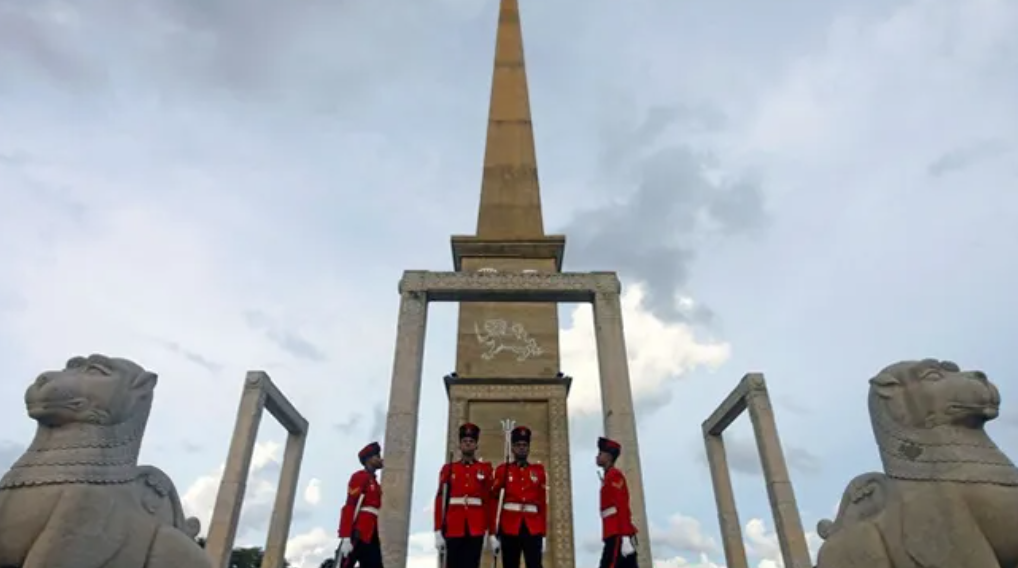
Honouring the legacy of our officers and other ranks
There are moments in the life of a nation when ordinary men and women are called upon to bear extraordinary burdens.
In times of uncertainty, conflict, and sacrifice, it is the members of the armed forces who stand between peace and chaos, stability and disorder, freedom and fear. Among them are those who gave everything they had in their youth, their dreams, their futures, and ultimately their lives in the service of the nation.
Today, the Association of Retired Flag Rank Officers (ARFRO) pays solemn tribute to the fallen officers and other ranks whose sacrifice remains forever woven into the fabric of Sri Lanka’s history.
An enduring spirit
A nation’s freedom is never free. It is secured through courage, discipline, loyalty, and sacrifice. For decades, Sri Lanka endured one of the most challenging periods in its modern history. Through years of conflict, countless members of the Army, Navy, Air Force, and Police answered the call of duty with unwavering resolve. The Civil Defence Force joined them midway. Many returned carrying physical and emotional scars. Many never returned at all.
According to cited Government figures, approximately 28,708 Sri Lankan military personnel and over 1,000 Police officers were killed during the 26-year conflict with the Liberation Tigers of Tamil Eelam (LTTE). It has also been reported that around 5,000 personnel went missing in action during the conflict.
Behind every fallen soldier was a story of a son who left home in uniform with pride, a daughter who chose service over comfort, a husband or wife who carried the burden of duty with dignity, or a parent who believed deeply in the responsibility to protect the nation. They came from every corner of Sri Lanka, representing different communities, backgrounds, and beliefs, yet united by a single purpose: service before self.
Their sacrifice transcends rank, service, ethnicity, and religion. On the battlefield, distinctions fade. What remains is brotherhood, courage, and commitment to a common mission. Officers and other ranks stood side by side under the same flag, facing the same dangers, sharing the same hardships, and often making the same ultimate sacrifice. Their shared dedication forged bonds that cannot be measured by titles or positions.
The history of military service teaches us that victory is not achieved solely through strategy or technology. It is built upon the character and resilience of individuals willing to place the welfare of others above their own safety. The fallen embodied those values in their purest form. They served not for recognition or reward, but because they believed in duty, honour, and country.
As retired flag rank officers, we at ARFRO understand deeply the weight of command and the human cost of conflict. We have witnessed courage under fire, acts of selflessness beyond imagination, and the silent strength displayed by families who endured separation, uncertainty, and grief. We have also witnessed the enduring spirit of those who continued to serve despite hardship and danger.
A national responsibility
Remembering the fallen is therefore not merely a ceremonial obligation. It is a national responsibility. Nations that forget their sacrifices risk forgetting the values upon which peace and stability are built. Memory preserves gratitude, and gratitude preserves national character.
Yet tribute alone is not enough. Honouring the fallen also requires continued commitment to those they left behind.
The families of fallen officers and other ranks carried sacrifices of their own. Many endured losses quietly and with remarkable dignity. Their resilience deserves equal recognition and support from society. As a nation, we must ensure that the legacy of the fallen is reflected not only in memorials and commemorations but also in sustained care, respect, and opportunity for their loved ones.
The story of Sri Lanka’s armed forces is also a story of unity and endurance. During difficult times, service personnel from all three forces worked together with extraordinary commitment and professionalism. Their efforts protected vital national institutions, safeguarded communities, and preserved the sovereignty of the nation under the most demanding circumstances. The peace enjoyed today carries the imprint of their sacrifice.
In reflecting upon their legacy, we must also recognise the evolving meaning of service in the modern era. Today’s challenges may differ from those of the past, but the values demonstrated by the fallen remain timeless. Integrity, discipline, resilience, adaptability, and loyalty to the nation continue to guide future generations of military personnel and national leaders alike.
For younger generations, the legacy of the fallen offers an enduring lesson in patriotism and responsibility. In an age often shaped by division and self-interest, their example reminds us that service to a greater cause remains one of the noblest callings in life. Their sacrifice calls upon all citizens, military and civilian alike, to contribute towards building a nation worthy of what they gave to protect.
As the ARFRO fraternity, we remain committed to preserving the memory, dignity, and honour of our fallen comrades. Their names may not all appear in history books, but their contributions live on in the security, freedom, and future of the nation they served. Time may pass, generations may change, and the world may move forward, but the debt owed to them can never truly be repaid.
We therefore bow our heads and salute in remembrance and gratitude to all fallen officers and other ranks of the Sri Lankan armed forces in the nation’s memory. Their courage will forever inspire us. Their sacrifice will forever humble us. Their legacy will forever endure.
May the soil of this land rest lightly upon them, and may they attain the supreme bliss of peace!
(The writer is the President of the Association of Retired Flag Rank Officers, a former Commander of the Sri Lanka Air Force, and a former Ambassador to Afghanistan)
(The views and opinions expressed in this article are those of the writer and do not necessarily reflect the official position of this publication)
36 Viewers