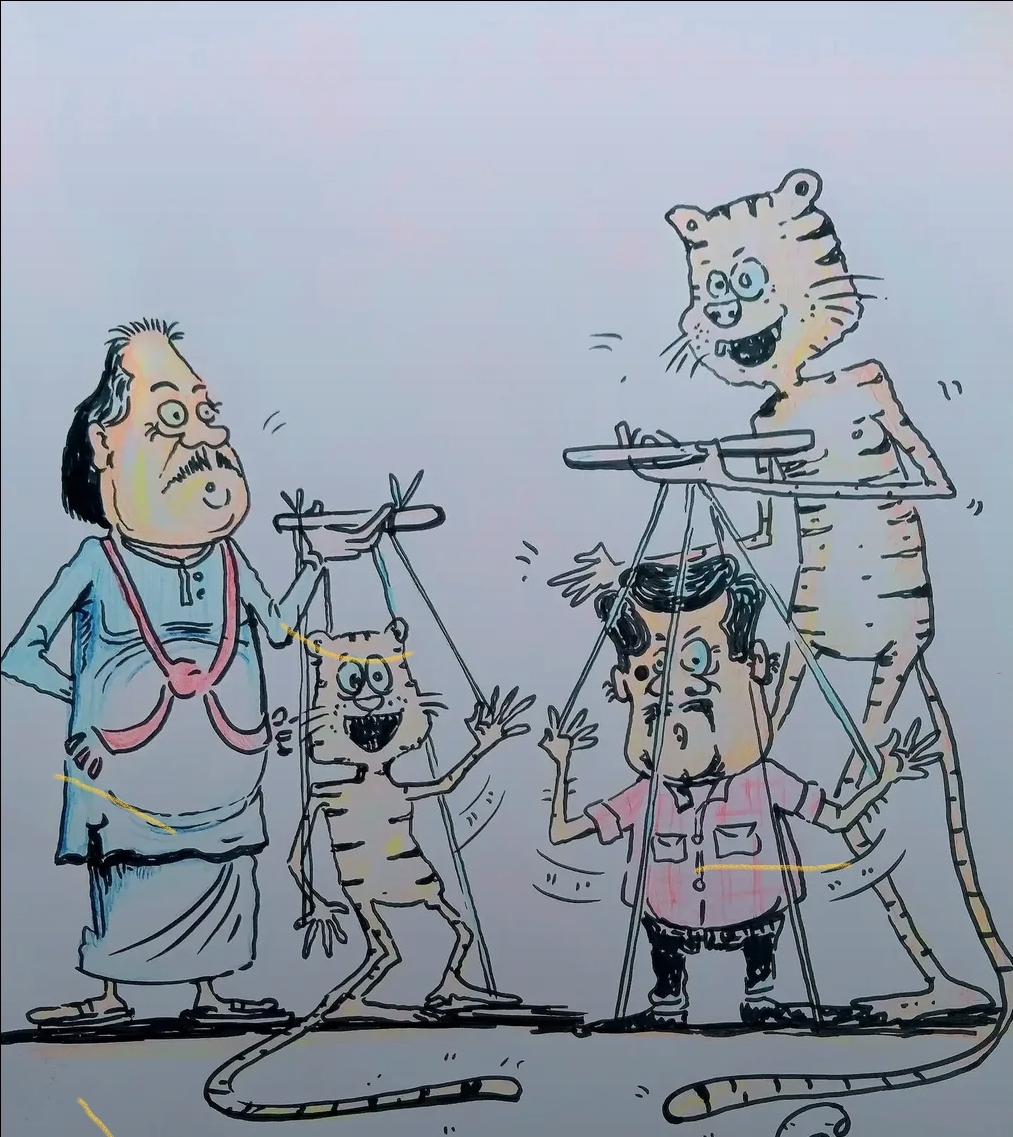
නීතිය, දේශපාලන සම්බන්ධතා සහ නොවිසඳුණු ප්රශ්න
ඥානසාර හිමියන්ගේ නඩුවේ විමසිය යුතු ප්රශ්නය උන්වහන්සේ අධිකරණය තුළ නොකළ යුතු ප්රකාශ කළේද යන්න පමණක් නොවේ. එක් අධිකරණ සිද්ධියක් චෝදනා හතරක් සහ වසර හයක බරපතළ වැඩ සහිත සිරදඬුවමක් බවට වර්ධනය වූයේ කෙසේද යන්නයි.
2018 නඩු තීන්දුවේම සඳහන් පරිදි, දිලීප පීරිස් සහ උපුල් කුමාරප්පෙරුම යන නීතිඥයන් දෙදෙනා ඥානසාර හිමියන් අධිකරණය ඇමතීම ආරම්භ කරන අවස්ථාවේ එහි සිටියේ නැත. ඔවුන් පසුව පැමිණ උන්වහන්සේට එරෙහිව පියවර ගන්නා ලෙස මහේස්ත්රාත්වරයාගෙන් ඉල්ලා සිටියහ.
සිද්ධියේ ආරම්භය නොදුටු දෙදෙනකුගේ සාක්ෂි, සමස්ත සිද්ධිය ස්වාධීනව තහවුරු කරන සාක්ෂි ලෙස සැලකිය හැකිද? ඔවුන්ගේ මැදිහත්වීම නොතිබුණේ නම් සිද්ධිය මෙතරම් දුර යනු ඇත්ද?
ඔවුන් පසුව දුටු සහ ඇසූ දේ පිළිබඳ සාක්ෂි දීමට හැකි බව පිළිගත යුතුය. එහෙත් මුල් සංවාදයේ සිදුවූ දේ තහවුරු කිරීම වෙනම ප්රශ්නයකි.
මෙහිදී දේශපාලන සම්බන්ධතා පිළිබඳ තවත් ප්රශ්න මතුවේ.
උපුල් කුමාරප්පෙරුම 2015 ජවිපෙ ජාතික ලැයිස්තුවේ සිටි බව 2018 නඩු තීන්දුවෙන්ම තහවුරු වේ. පසුව ඔහු ජාතික ජන බලවේගයේ ප්රමුඛ නීති ක්රියාකාරිකයකු බවට පත්වී 2024දී මාතර දිස්ත්රික්කයට තරග කළේය.
රංග දිසානායක, එවකට මහේස්ත්රාත්වරයා, වත්මන් ජනාධිපතිවරයා යටතේ 2025 අල්ලස් කොමිසමේ අධ්යක්ෂ ජනරාල්වරයා ලෙස පත්විය.
මෙහිදී හිටපු ජවිපෙ දේශපාලන මණ්ඩල සභික නන්දන ගුණතිලක මහතා ප්රසිද්ධියේ කළ චෝදනාවක්ද තිබේ. තමන් විසින් මෙහෙයවනු ලැබූ ජවිපෙ නීති කමිටුවේ රංග දිසානායක මහතා සාමාජිකයකු වූ බවත්, ඊට අදාළ අත්සන් සහිත ලේඛන තමන් සතුව තිබෙන බවත් ඔහු ප්රකාශ කළේය.?
අගවිනිසුරුවරයාගේම ධුර කාලය පිළිබඳ ගැටුම
මෙම සිද්ධි මාලාවේ තවත් වැදගත් පසුකාලීන සිදුවීමක් වන්නේ ප්රීති පද්මන් සූරසේන අගවිනිසුරුවරයා සහ 22 වැනි ආණ්ඩුක්රම ව්යවස්ථා සංශෝධනයයි.
ඥානසාර හිමියන්ට වසර හයක සිරදඬුවම නියම කළ 2018 විනිසුරු මඬුල්ලේ ප්රධානියා වූ සූරසේන මහතා 2025දී අගවිනිසුරු ධුරයට පත්විය.
2026 සැප්තැම්බර් 25 වැනිදා සම්මත කළ 22 වැනි ව්යවස්ථා සංශෝධනයෙන් ශ්රේෂ්ඨාධිකරණ විනිසුරුවරුන්ගේ විශ්රාම වයස 65 සිට 67 දක්වා ඉහළ නැංවිණි. මෙය වත්මන් අගවිනිසුරුවරයාටද සෘජුව ප්රතිලාභ ලැබෙන සංශෝධනයකි.
මෙහි සැබෑ conflict of interest ප්රශ්නය මතුවන්නේ ඊටත් පෙරය.
එම සංශෝධනයේ ව්යවස්ථානුකූලභාවය පිළිබඳ පෙත්සම් විභාග කළ පංච පුද්ගල ශ්රේෂ්ඨාධිකරණ විනිසුරු මඬුල්ලේ සභාපතිත්වය දැරුවේද සූරසේන අගවිනිසුරුවරයාමය.
ශ්රී ලංකා නීතිඥ සංගමය පවා මෙම විභාගයෙන් අගවිනිසුරුවරයා ඉවත්වීම සුදුසු බවට අධිකරණයට කරුණු ඉදිරිපත් කළේ, සංශෝධනයෙන් මුලින්ම ප්රතිලාභ ලබන ශ්රේෂ්ඨාධිකරණ විනිසුරුවරයා ඔහු වන බැවිනි.
එපමණක් නොව, සංශෝධනයේ අන්තර්ගත අගවිනිසුරු ධුරයේ වසර හයක සේවා කාල සීමාව වත්මන් අගවිනිසුරුවරයාට අදාළ නොවන බවද ශ්රේෂ්ඨාධිකරණයේ නිගමනයෙන් පැහැදිලි විය.
තමන්ගේම ධුර කාලයට සෘජුව බලපාන නීතියක ව්යවස්ථානුකූලභාවය පිළිබඳ තීරණය කරන විනිසුරු මඬුල්ලට අගවිනිසුරුවරයාම නායකත්වය දීම, අධිකරණයේ පෙනෙන අපක්ෂපාතීත්වය පිළිබඳ ප්රශ්නයක් නොවේද?
මෙහිදී අධිකරණයේ ස්වාධීනත්වය පිළිබඳ මතුවූ ගැටලුව විපක්ෂයේ චෝදනාවකට පමණක් සීමා නොවීය. ශ්රී ලංකා නීතිඥ සංගමය සහ විකල්ප ප්රතිපත්ති කේන්ද්රය වැනි ආයතනද ඒ පිළිබඳ අවධානය යොමු කළේය.
මේ සියල්ල අතර නොවිසඳුණු ප්රශ්නය
ඉතා වැදගත් කරුණක් නම්, මහේස්ත්රාත්වරයා තමන්ට නියම කළ හැකි දඬුවම ප්රමාණවත් නොවන බව සලකා සිද්ධිය අභියාචනාධිකරණයට යොමු කළ බව තීන්දුවේම සඳහන් වීමයි.
අවසානයේ එක් සිද්ධියකට වසර හයක බරපතළ වැඩ සහිත සිරදඬුවමක් නියම විය.
මෙහිදී අධිකරණය පිළිබඳ මූලික නීතිමය ප්රශ්න දෙකක් ඉතිරි වේ.
පළමුව, සිද්ධියේ සියලු අවස්ථා සෘජුව නිරීක්ෂණය නොකළ සාක්ෂිකරුවන්ගේ ප්රකාශ සහ මුල් අධිකරණ සටහන් අතර ඇති වෙනස්කම් නිසි ලෙස ඇගයුවේද?
දෙවනුව, ඔප්පු වූ හැසිරීමේ බරපතළකමට සාපේක්ෂව වසර හයක බරපතළ වැඩ සහිත සිරදඬුවමක් නියම කිරීම සමානුපාතිකද?
අධිකරණයේ ස්වාධීනත්වය යනු විනිසුරුවරුන් ප්රශ්න නොකළ යුතු බව නොවේ. ඔවුන්ගේ තීරණ සාක්ෂි, නීතිය සහ සාධාරණත්වය මත විමසිය හැකි වීමයි.
යුක්තිය ඉටුවිය යුතුය. එපමණක් නොව, යුක්තිය ඉටුවන බව ජනතාවට පෙනිය යුතුය.
මේ සියලු සිදුවීම් ආපසු හැරී බලා එකිනෙකට සම්බන්ධ කර විමසන විට, ඒවා අතර පොදු දේශපාලන අනන්යතාවක් සහ මතවාදී සම්බන්ධතාවක් පවතින බවට සාධාරණ සැකයක් මතු නොවන්නේද?
ඇතැම්විට මුල් සිදුවීම අනපේක්ෂිත එකක් විය හැකිය. එහෙත් එම සිදුවීම, සමාන දේශපාලන මතවාද දරන පුද්ගලයන්ට නීතියේ බලය භාවිත කරමින් තමන්ට අවශ්ය දිශාවකට තත්ත්වය ගෙන යාමට අවස්ථාවක් නිර්මාණය කළා විය නොහැකිද?
මෙහිදී ගැඹුරින් අධ්යයනය කළ යුත්තේ දේශපාලන මතවාද, පෞද්ගලික අගතීන් සහ අධිකරණ බලය එකිනෙක හමුවන විට නීතිය භාවිත කිරීමට මෙන්ම අවභාවිත කිරීමටද ඇති ඉඩකඩයි.
විනිසුරුවරුන් හෝ නීතිඥයන් යනු හැඟීම් හා පක්ෂපාතීත්වයෙන් තොර යන්ත්ර නොවේ. ඔවුන්ද දේශපාලන මත, පෞද්ගලික විශ්වාස සහ මතවාදී නැඹුරුවාවන් ඇති මිනිසුන්ය.
එබැවින් ඔවුන්ගේ තීරණවලට එම නැඹුරුවාවන් බලපෑ හැකිද, එසේ බලපාන්නේ නම් නීතියේ නාමයෙන් එය හඳුනාගන්නේ කෙසේද යන්න ප්රශ්න කිරීම සාධාරණය.
අවසානයේ විමසිය යුත්තේ නීතිය ක්රියාත්මක වූවාද යන්න පමණක් නොවේ. නීතිය ක්රියාත්මක කළ පුද්ගලයන්ගේ මතවාදී පක්ෂපාතීත්වයන්, එය ක්රියාත්මක වූ ආකාරයට කෙතරම් බලපෑවාද යන්නයි.
One Courtroom Incident, Six Years in Prison And Questions About Judicial Independence
The Gnanasara Thero contempt case deserves scrutiny on two separate grounds: the reliability and scope of the evidence underlying the conviction, and the proportionality of the six-year rigorous imprisonment sentence.
The 2018 judgment confirms that two important witnesses, Dileepa Peiris and Upul Kumarapperuma, were outside the courtroom when the monk began speaking. They returned and urged the magistrate to take action.
They were entitled to report misconduct they witnessed. But how far could their testimony independently corroborate events that occurred before they returned?
The magistrate subsequently referred the matter to the Court of Appeal, expressly stating that the punishment available to him was insufficient. The resulting proceedings produced four convictions and a six-year sentence.
The political connections surrounding some of the individuals involved deserve careful distinction.
Upul Kumarapperuma acknowledged his inclusion on the JVP’s 2015 National List in the original judgment. He subsequently became a prominent NPP legal representative and contested the 2024 parliamentary election in Matara.
Ranga Dissanayake, the magistrate, was appointed Director General of the Bribery Commission under President Anura Kumara Dissanayake.
Former JVP Politburo member Nandana Gunathilaka publicly alleged that Dissanayake had served on the JVP Legal Committee, claiming to possess signed documents.
Then there is Chief Justice Preethi Padman Surasena, who authored the 2018 judgment.
In September 2026, the 22nd Constitutional Amendment increased the retirement age of Supreme Court judges from 65 to 67, directly benefiting the incumbent Chief Justice.
Surasena himself chaired the five-member bench reviewing constitutional challenges to that amendment.
The Bar Association of Sri Lanka raised the potential conflict of interest and suggested that he recuse himself. Nevertheless, he remained on the bench. The Supreme Court determined that the amendment could proceed without a referendum, and Parliament subsequently enacted it.
Should a judge preside over proceedings concerning legislation that directly extends his own tenure?
That is a legitimate judicial-independence question, irrespective of whether the resulting determination was legally correct.
I don’t want to fuel any conspiracy.
But the original evidentiary questions remain.
Was the initial exchange adequately distinguished from what the returning witnesses subsequently observed? Were the differences between the original court notes and later accounts sufficiently examined? And did the conduct, even if constituting contempt, justify six years of rigorous imprisonment?
Judicial independence cannot mean immunity from scrutiny. Nor should the power to punish contempt be confused with an unlimited discretion to punish.
The legitimacy of the justice system depends not only on the authority of its judgments but also on the transparency, impartiality and proportionality of the process that produces them.?
When we look back at these events and connect the dots, isn’t it reasonable to question whether there is a common political identity or ideological alignment linking the individuals involved?
Perhaps the original incident was entirely unexpected.
But could that incident have created an opportunity for individuals sharing similar political ideologies to exercise their legal authority and steer the situation in a particular direction?
What deserves deeper examination is how the law can be both used and misused when political ideology, personal biases, and judicial authority intersect.
Judges and lawyers are not machines operating without emotions or personal convictions. They are human beings with political views, beliefs, ideological preferences, and inherent biases.
It is therefore legitimate to question whether those biases may influence their decisions and, if so, how such influence can be identified and scrutinised within the justice system.
Ultimately, the question is not merely whether the law was applied, but to what extent the ideological leanings of those exercising legal authority may have influenced how it was applied.
3 Viewers