JHU joined with Pro-LTTE TNA to hail OMP Act
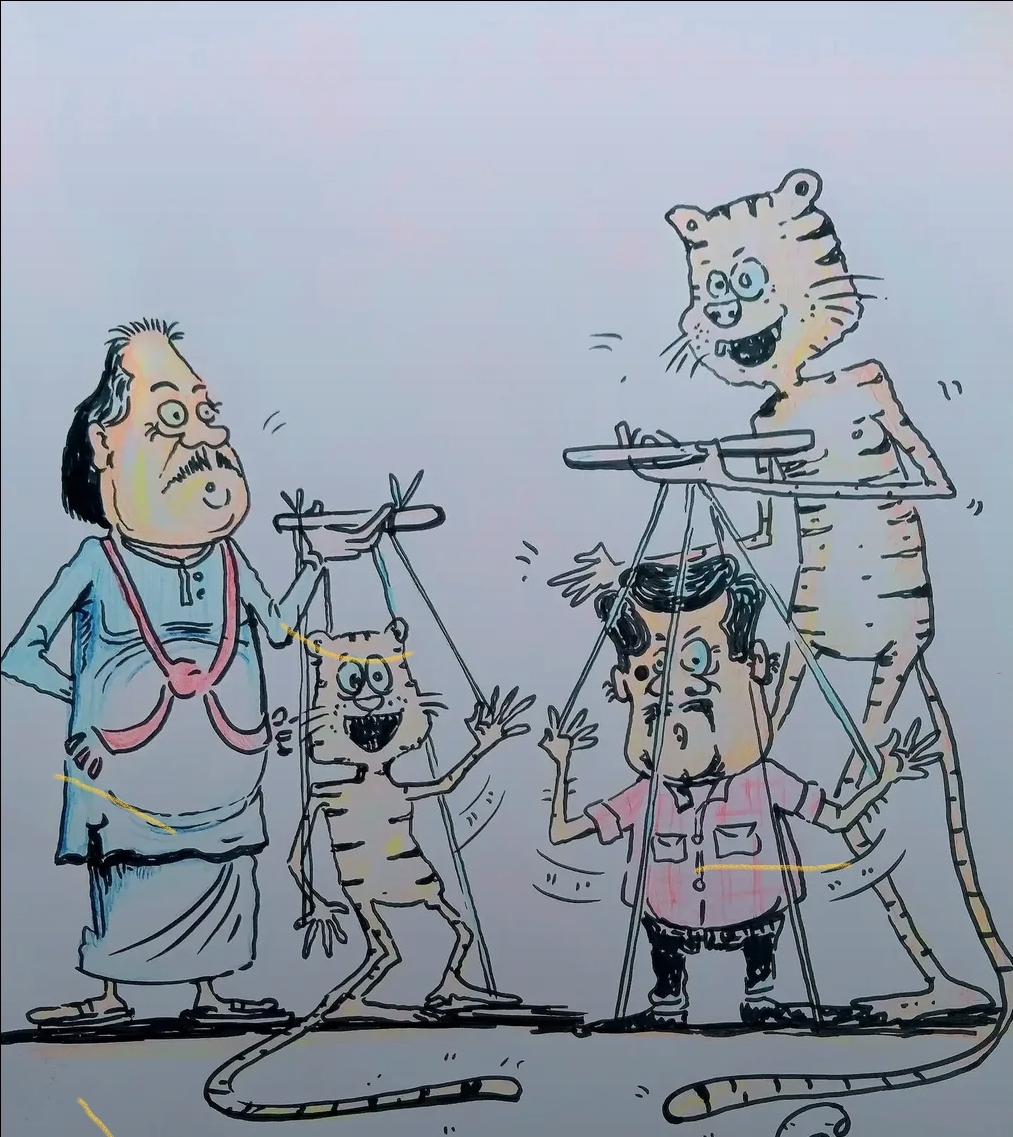
One-time nationalistic political party formed with Sinhala Buddhists, the Jathika Hela Urumaya (JHU) hailed the passage of the Office of Missing Persons (OMP) Bill in the Parliament on Friday. JHU said that the Act could be used to find out the fate of thousands of soldiers and police personnel who had been missing from the camps and police stations in the Northern and Eastern Provinces. However, JHU slipped the point to recognize the well set present mechanism through the current judiciary system and Paranagama commission. The Article 27 of the Bill has limited the operation of Bill to North and East two provinces.
Pro-LTTE TNA and Global Tamil Forum, another LTTE front organization recognized the enactment of the Office of Missing Person Bill which gives wide range of advantages and benefits to former LTTE Tamil Terrorists and their families and to prosecute the National War Heroes.
National Organiser of the JHU said that even many former LTTE cadres who had been released after undergoing rehabilitation would have to be arrested again in order to find out as to what happened to more than 5000 soldiers missing from the army camps in Mullaitivu, Elephant Pass and Kilinochchi as well as more than 600 police personnel who are said to have been butchered by the LTTE after they were ordered to surrender to the Tamil terrorist organization by then UNP government President Ranasinghe Premadasa.
He further stated that if the Tamil politicians were not prepared to forget the past and march together to the future, past atrocities of the LTTE also have to be investigated.
He asserted that the OMP should be an institution that is responsible to the people of this country and not to Geneva or Brussels. However, he warned that the OMP will reopen the old wounds and rekindle animosity and distrust among communities instead building national unity.
However, JHU partner of pro-minority government lead by Ranil and Sirisena did not spend time to discuss and elaborate the following dark sides of the so called OMP Bill which was enacted by-forced by the present government to pleased Tamil Diaspora, pro-LTTE TNA as a part of the UNP/TNA election pact and to satisfy the regime changing partners of USA and India;
1. This is not a part of Sri Lanka’s State law enforcement and justice system, but an independent body incorporated by parliament which gives its members the power to function outside the normal rules and regulations that guide state institutions.
2. Even though it is described as an ‘Office’ it will be functioned as a tribunal which can examine witnesses, issue summons and hold hearings.
3. Its officers can enter without warrant, at any time of day or night, any police station, prison or military installation and seize any document or object they require for investigations. Anyone who fails or refuses to cooperate with the OMP may be punished for contempt of court.
4. The seven ‘members’ of the OMP are to have experience in fact finding and expertise in human rights law and international humanitarian law which means that the appointees will for the most part be representatives of Western funded NGOs or those who have worked with Western sponsored international war crimes tribunals.
5. According to Section 21 of the legislation, the OMP will have the power to receive funding from any foreign source.
6. It can enter into agreements with foreign persons or organisations concerning its work.
7. The ‘members’ of the OMP can establish units and divisions and delegate their powers and functions to those entities. They can also appoint and dismiss staff and consultants. It is not specified in the law that the members of the OMP have to be Sri Lankans.
8. Complaints can be received not only from relations and friends of missing persons but from any interested party both local and foreign.
9. Government bodies at all levels including the armed forces and intelligence services are mandatorily required to render fullest assistance to the OMP and the provisions of the Official Secrets Act will not apply to the proposed institution.
10. According to Section 12 (c) (iii) the OMP can admit as evidence any statement or material disregarding the criteria laid down in the Evidence Ordinance.
11. The provisions of the Right to Information Act will not apply to the work of the OMP. No court, not even the Supreme Court can order any officer of the OMP to submit to courts any material communicated to him in confidence.
655 Viewers