Pro-TNA Hate Speech Laws Criticized
Lawyers and civil society criticize the two Anti-hate Speech Draft Bills presented in Parliament recently which seek to criminalize the instigation of communal violence and disharmony.
Chief Government Whip, Minister of Mass Media Gayantha Karunatilake presented two bills titled the ‘Code of Criminal Procedure (Amendment)’ and the ‘Penal Code (Amendment)’ which are yet to be taken up for debate.
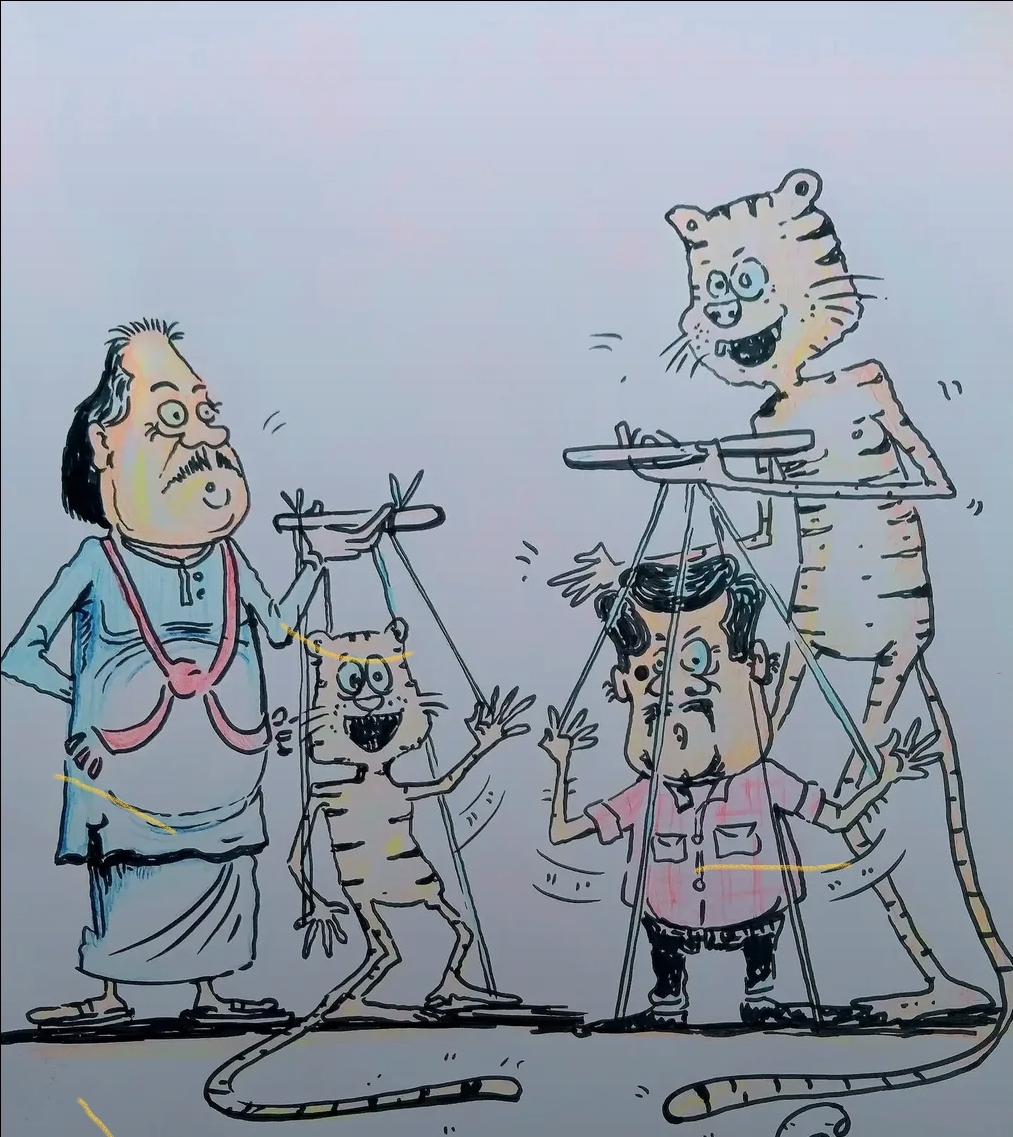
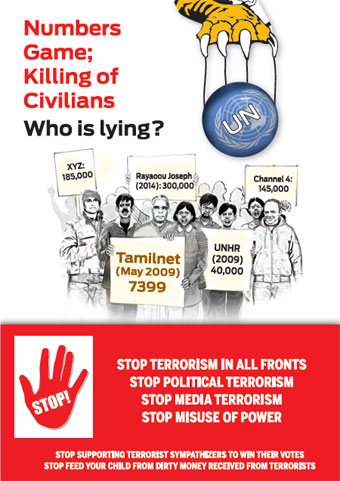
This bill has been brought to the parliament to satisfy Pro-LTTE TNA, and UN to undermine the nationalism and patriotism in the society.
The Bill, seeking to amend the Penal Code, states that “Whoever, by the use of words spoken, written or intended to be read, or by signs, or by visible representation, or otherwise, intends to cause or attempts to instigate acts of violence, or to create religious, racial or communal disharmony, or feelings of ill-will or hostility, between communities or different racial or religious groups, shall be punished with imprisonment of either description for a term not exceeding two years.”
The Bill to amend the Criminal Procedure Code seeks to introduce a two-year prison sentence for anyone guilty of “causing or instigating acts of violence or religious, racial or communal disharmony or feelings of ill-will or hostility by the use of words spoken, written or intended to be read, or by signs, or by visible representation or otherwise.”
As reported earlier, proposed amendments in the draft bills also stipulate that a warrant would not be required to arrest persons violating these laws.
Research Director and Head of Law at Verite Research, Gehan Gunatilleke said that this is extremely unfortunate as the new provision is basically identical to Section 2 (1) (h) of the Prevention of Terrorism Act (PTA) which mentions that “by words either spoken or intended to be read or by signs or by visible representations or otherwise causes or intends to cause commission of acts of violence or religious, racial or communal disharmony or feelings of ill-will or hostility between different communities or racial or religious groups”, when the Government had on one hand committed to repeal the PTA and were on the other hand replicating the PTA into ordinary law as a Section in the Penal Code.
Chairperson of the Human Rights Commission of Sri Lanka, Dr. Deepika Udagama added that a loose and vague definition of hate speech would result in a very constricting environment in which no one will feel safe even speaking the truth”.
“The issue is to what extent hate speech is restricted. Incitement to violence must be drawn the line at. There are all forms of expressions. As this is a multi-ethnic and multi-religious society, if violence is caused, whoever is responsible must be dealt with under the law. This is the litmus test. The United States (US) with limited exceptions allows for almost absolute freedom of expression including speech. On the other hand, Sri Lanka has signed and ratified the International Covenant on Civil and Political Rights which calls for hate speech to be criminalized,” she said.
832 Viewers