Why small states matter in international politics: The case of Sri Lanka
Sri Lanka occupied little thought throughout the West for much of the period since independence in 1948. In the last few years, however, Sri Lanka began to feature as a country of strategic relevance to great powers, particularly China and the United States.
Sitting at the center of the Indian Ocean, halfway between China and the key energy resources in the Middle East, Beijing has sought to influence politics on the island. But it has suffered blows this year, with Mahinda Rajapaksa (friendly to Chinese interests) losing the presidency in January and his party losing in recent parliamentary elections to the center-right United National Party. Now, pro-Western Ranil Wickramasinghe holds the position of prime minister.
But Western policymakers should not take the island state for granted. The larger lesson of Colombo’s shift to the West is that strategic small states like Sri Lanka now have more options and can easily switch sponsors.
Newly found interest
In May, John Kerry became the first secretary of state to visit Colombo in over a decade. There have been reports in Sri Lankan media that President Barack Obama has also promised to visit, something more likely given Wickramasinghe’s victory.
This newfound interest in the island is related to a “first-tier” security challenge for the United States: China. Rajapaksa’s government fell out of favor with Western governments for its activities during the Sri Lankan civil war. Citing non-implementation of good governance regulations, the European Union removed preferential tariff rates for Sri Lanka’s exports, causing thousands of garment factory workers to lose their jobs. Western countries supported war crimes investigations at the U.N. India, under pressure from Tamil Nadu state political parties, denied lethal weaponry to Colombo during the war and leaned on Sri Lanka to concede more legislative autonomy to Tamil-dominated provinces afterwards.
Unlike in previous decades, however, Colombo had an alternative great power to look to for military technology and investment. Beijing obliged, using its veto -alongside Russia-to defend Sri Lanka at the U.N. Sri Lanka was included as part of a chain of infrastructure projects along China’s “One Belt, One Road” initiative.
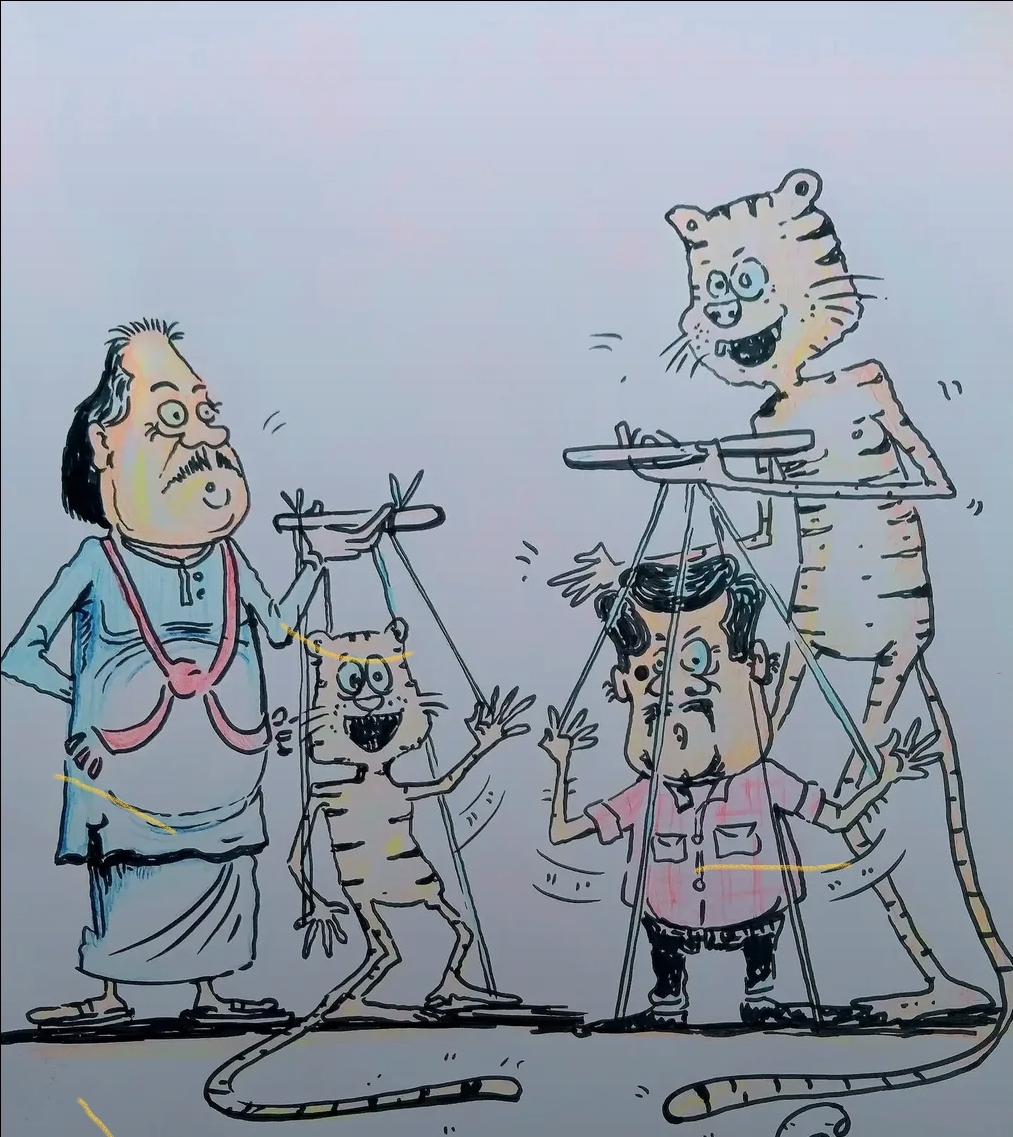
The American and European stand sparked a strong anti-Western public reaction in Sri Lanka, underpinned by existing suspicions of Western support for the Liberation Tigers of Tamil Eelam (LTTE) and anti-colonial and Cold War sentiment.
This January, however, Sri Lanka took a 180-degree foreign policy turn. The new president, Maithripala Sirisena, reached out to the West, began governance reforms and signaled a less nationalist approach to Tamil concerns. Sirisena’s first foreign visit was to New Delhi and Indian Prime Minister Narendra Modi repaid the gesture.
Strategic importance
Washington, Delhi, and Beijing have good reason to take an interest. Sri Lanka is at the heart of the world’s busiest sea lanes (more than 80 percent of global seaborne oil trade transits through the Indian Ocean.) The island sits in a region that will form the center of future world politics, strategy, and economics.
Middle Eastern governments have probably noticed Sri Lanka’s maneuvering between China and the West. Given the recent steps by Gulf States, in particular, to diversify their security partners, they may learn from Sri Lanka’s example of extracting the most from established and rising powers.
Sri Lanka’s own history of battling non-state actors may also provide lessons for Middle Eastern states facing similar challenges. Some of those states feel hamstrung by the West’s lack of support for (or outright opposition to) their own conflicts with non-state actors. But Colombo accomplished something that no great power-nor any Middle Eastern country including Israel-was able to. It comprehensively defeated one of the world’s most powerful terrorist armies.
992 Viewers